Pescaíto Frito: A Tasty Dive into Malaga's Tradition
The Origins of Pescaíto Frito
Pescaíto frito has its roots in antiquity, when Malaga was a flourishing Mediterranean port under Carthaginian and then Roman influence. It is said that precisely during these eras local fishermen began to fry the small fish that abounded in the waters of the coast, a practice that served both to improve their flavor and to preserve them for the following days. With the subsequent Arab domination, frying techniques and the use of spices were further refined, leaving an indelible mark on local cuisine.
A Dish That Unites the Community
In Malaga, pescaíto frito is not just food, but a social ritual. In small fishermen's restaurants, or 'chiringuitos', scattered along the beach, residents and tourists gather to share simple but delicious meals. The taste of the sea spreads through the air, while diners dip crispy mouthfuls into dry wine or a good glass of cold beer. This practice not only sustains the local economy, but also strengthens social bonds, uniting people around laden tables.
The Secret of the Recipe
Despite its simplicity, pescaíto frito requires a certain mastery. The freshness of the fish is essential: sardines, squid, anchovies and cod are some of the favorites. They are lightly floured, a practice that allows the crust to brown perfectly without absorbing too much oil. It is precisely this attention to detail that ensures the dish maintains a surprising lightness, with the aroma of fish remaining unchanged.
A Tourism of Taste
Malaga has managed to transform this traditional dish into a true tourist attraction. Visitors are invited to discover the city through its flavors, participating in events and festivals dedicated to 'pescaíto'. During these festive moments, the streets come alive with stalls and music, creating a convivial atmosphere in which past and present intertwine in a single gastronomic embrace.
Influences and Modern Interpretations
Today, although pescaíto frito continues to be prepared according to traditional methods, there is no shortage of contemporary reinterpretations. Young chefs experiment with new spices and cooking methods, thus enhancing the delicate notes of the fish without betraying the essence of the dish. This evolution demonstrates how tradition and innovation can coexist harmoniously, making the love for pescaíto perpetual.
Pescaíto Frito in the Heart of Malaga
At every corner of this vibrant city, from the narrow streets of the center to the wide beaches, pescaíto frito represents a piece of cultural identity, a bridge between land and sea. This dish tells a story of resilience, adaptability and community. And it is precisely through the tasting of this simple dish that visitors and residents connect with the authentic soul of Malaga, savoring not only the food, but also the history itself of the city.
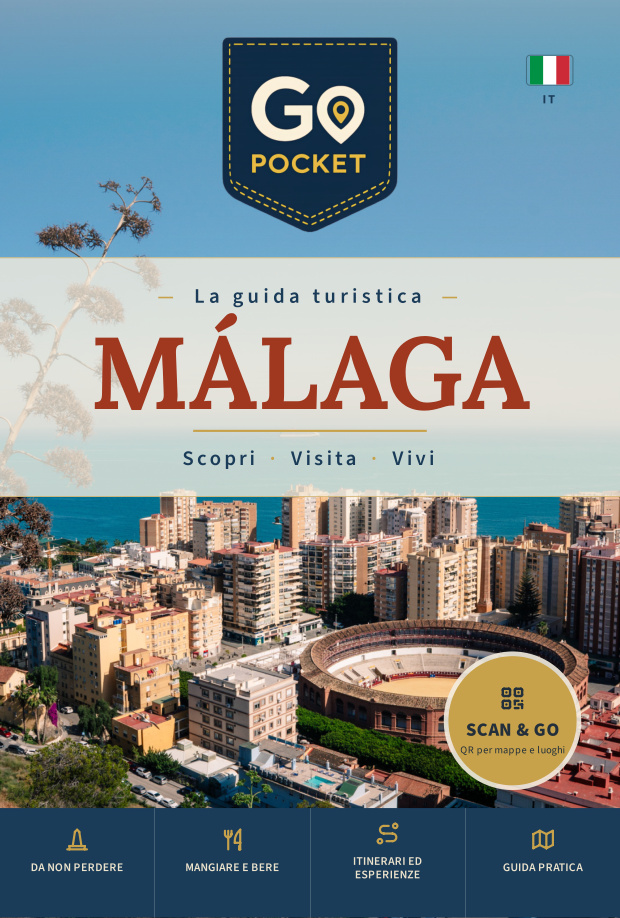
The guide to this city: Málaga
Digital guide to Málaga: what to see, where to eat, live maps and tips. Read it like an app, even offline.
Explore · € 4,99 →