Lisbon like a local: the city tourists never see
The morning belongs to bakers and the elderly
In Lisbon, early morning is almost sacred territory. Locals take to the streets before the city fully wakes, heading to the neighborhood padaria — those bakeries that have survived for decades and smell of freshly baked pastéis de nata and pão de forma just out of the oven. It's not a question of romantic breakfast: it's routine, it's a coffee drunk standing at the counter exchanging a few words with the barista who knows your name. At that hour, the cobbled streets still belong to the elderly with their shopping bags and cats watching over doorways. It's in those moments that Lisbon still resembles itself, before becoming someone else's backdrop.
The neighborhood matters more than the city
Ask a Lisboeta where they live and they'll rarely simply answer 'in Lisbon'. They'll tell you Mouraria, Intendente, Campo de Ourique, Penha de França. Identity is built in the bairro, not in the capital. Each neighborhood has its own personality, its own history, often its own patron saint celebrated with almost tribal devotion every June during the Festas de Lisboa. The sense of community is still strong, especially among older generations: the fishmonger who passes with his van, the neighbor who knows everything about everyone, the neighborhood miradouro you'll never find on tourist maps but where the same group gathers every evening.
Saudade is not nostalgia: it's a posture toward life
The Portuguese have a word that the rest of the world keeps misunderstanding. Saudade is not simply nostalgia — it's something more complex, a disposition that coexists with the present without being crushed by it. In Lisbon you feel it in the peeling architecture that no one rushes to restore, in the fado sung in homes before it's sung in venues, in the local tendency to remember an imperial past with pride while being perfectly aware of its shadows. It's not paralyzing melancholy: it's the way this city carries the weight of its own history without pretending it doesn't exist.
Lunch is an institution, not a break
In an increasingly international city, lunch remains one of the most authentically Portuguese moments of the day. The neighborhood restaurants — those without English menus, with handwritten chalkboards and the TV on some sports channel — fill up during the midday hours with office workers, craftsmen and retirees. You eat the prato do dia, the dish of the day: usually a soup, an abundant main course and often a little dessert. It's affordable, generous, not very photogenic and absolutely delicious. Locals know these places are disappearing little by little, replaced by fancier and more expensive establishments, and they talk about them with that typically Lisboeta mixture of resignation and affection.
Evenings start late, but not where you think
Those who visit Lisbon are often surprised to find certain places half-empty at the time when evenings are in full swing in other countries. Here dinner rarely starts before half past eight, and often much later. But the real evening life doesn't necessarily happen in the neighborhoods most frequented by visitors. Lisboetas gravitate toward neighborhood squares, toward bars where they drink vinho verde or uma imperial chatting for hours without rushing. There's an art to Portuguese conversation — slow, digressive, capable of jumping from politics to football to poetry in a few minutes — that can only be learned by staying still long enough to be mistaken for someone who's in no hurry to leave.
Lisbon changes, and Lisboetas speak of it with ambivalence
No article about real Lisbon would be honest without mentioning the tension its residents have lived with for years. The city has become one of Europe's most desired destinations, and this has profoundly changed the urban fabric: entire neighborhoods once popular have emptied of longtime residents, replaced by tourist apartments and businesses aimed at visitors. Younger Lisboetas often live far from the center, forced by rents that have ceased to be compatible with local salaries. Yet the love for their city remains intact, almost stubborn. They criticize it, they miss it, they defend it — often all together, in the same afternoon, sitting on a bench overlooking the Tagus. Perhaps this is the most Lisboeta thing of all.
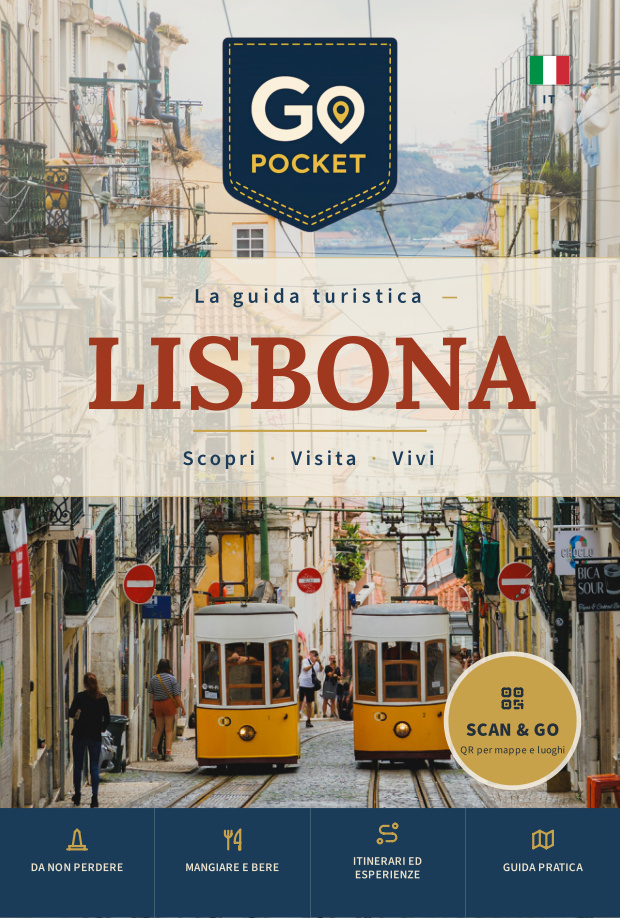
The guide to this city: Lisbon
Digital guide to Lisbon: what to see, where to eat, live maps and tips. Read it like an app, even offline.
Explore · € 4,99 →