Lisbon beyond the usual routes: unusual experiences for curious travelers
Navigating the Tagus like a discoverer-age sailor
The river that saw Vasco da Gama depart and caravels return laden with spices is not just a photographic backdrop: it is a living protagonist of the city. Some small local companies offer sunset boat trips on traditional vessels from Portuguese river navigation tradition, connected to the history of internal navigation in the country. Navigating the Tagus means understanding why Lisboners have always looked toward the open sea rather than the mountains: the open horizon shaped their identity as much as any monument.
Fado in places where you won't find it in guidebooks
The fado heard in Bairro Alto restaurants designed for tourists is often authentic, but there exists another way of encountering this music: the neighborhood casas do fado, small cultural associations where residents gather in the evening not to perform, but to sing among themselves. Entering one of these spaces requires some luck and guidance from a trusted local. There are no neon signs or laminated menus: only chairs, glasses of wine and voices climbing impossible chromatic scales.
Getting lost in the tile factories: where azulejos come to life
Azulejos are the visual DNA of Lisbon: they cover churches, railway stations, facades of popular buildings and noble villas with equal ease. But few know that the tradition of ceramic painting is still alive in small artisanal workshops where it is possible to witness the creation process or even participate in short workshops. Drawing a geometric pattern on a white tile, choosing the cobalt blue typical of eighteenth-century style and then waiting for firing to reveal the result is a concrete way of understanding how much patience and precision this ancient craft demands.
The creative underground of LX Factory and surroundings
LX Factory is now well known, but still preserves corners of authentic creative ferment: design studios, small independent publishers, tattoo studios and furniture restoration workshops coexist with an increasingly pronounced commercial vocation that the attentive visitor will know how to navigate with a critical spirit. What makes the experience unusual is arriving during the week, away from the Sunday market, when certain spaces are almost empty and professionals work in the silence of their shops. In those moments you can converse, observe, understand how Lisbon is reinventing its relationship with creativity without denying the working-class identity of certain neighborhoods.
The less crowded miradouros: another altitude, another silence
Lisbon's viewpoints are famous, but there exist lesser-known panoramic points where the city reveals itself without the mediation of selfie sticks. Some terraces on the roofs of historic buildings, some staircases that end in forgotten squares, certain corners of Portuguese historic cemeteries — places that Lisboners frequent to walk among monumental tombs of intellectuals and navigators as if they were public parks — offer absolutely unique perspectives on the city.
Neighborhood cuisine: where Lisboners really eat
Lisbon has experienced an explosion of gastronomy in recent years that has brought award-winning restaurants and trendy cocktail bars to every corner of the center. But the cuisine that truly tells the city's story is still found in neighborhood tascas, those family-run places where the menu changes daily based on the market and where the television is always on above the counter. Ordering the prato do dia, the dish of the day, means entrusting yourself to someone's cooking, not to a chef's concept.
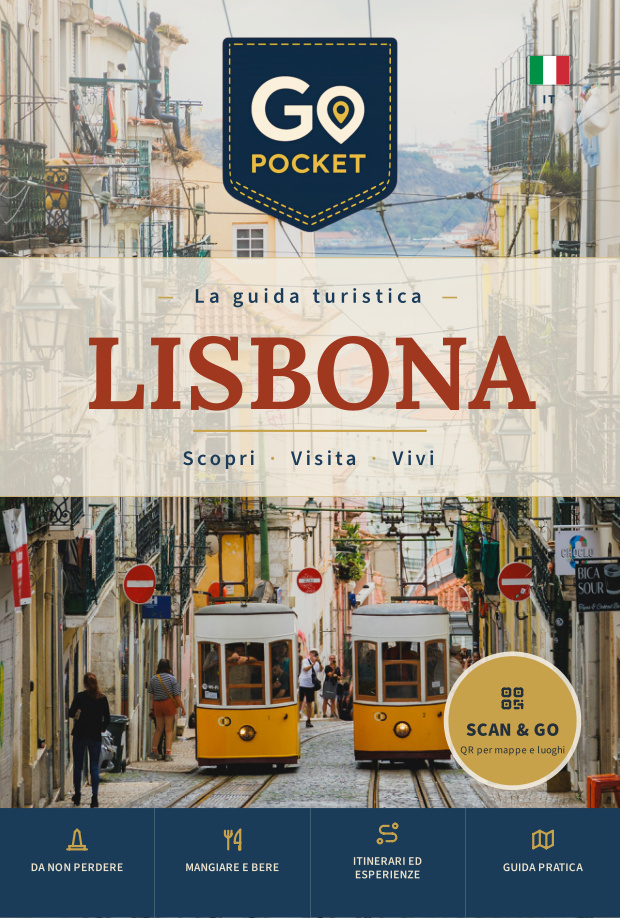
The guide to this city: Lisbon
Digital guide to Lisbon: what to see, where to eat, live maps and tips. Read it like an app, even offline.
Explore · € 4,99 →