Why Visit Athens in 2026: History, Culture, and New Discoveries
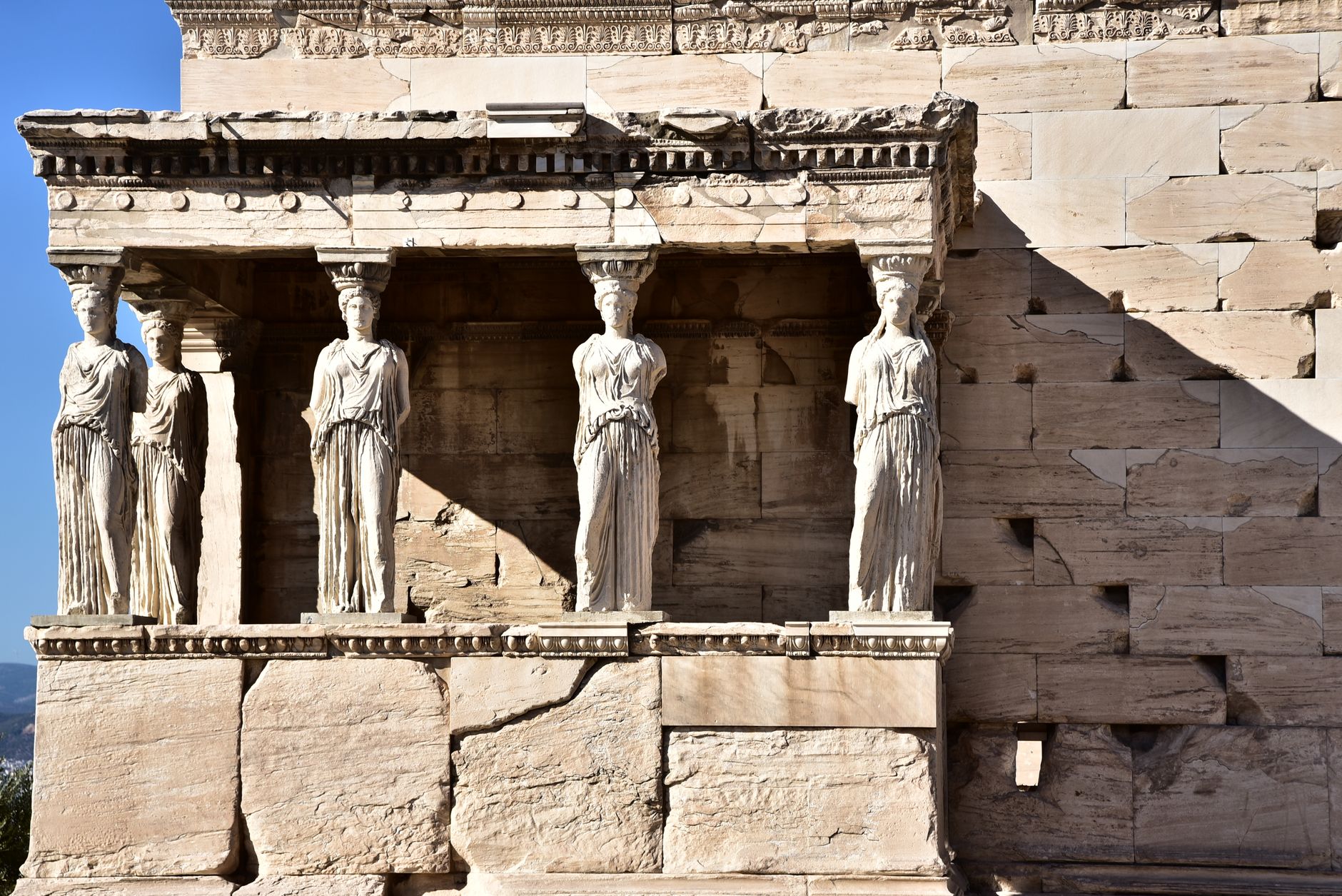
Athens: Where Ancient History Meets Modern Life
Athens is one of Europe's few cities where history doesn't stay confined to museums. It appears suddenly between a modern building and a busy street—as a column, a fragment of wall, a view framing the Acropolis. This coexistence isn't always harmonious, but that's precisely its strength: the Greek capital forces you to see time as something layered, not linear. In 2026, Athens presents itself as a city that lives for far more than its past. After years of economic, social, and urban change, many neighborhoods have found new energy: studios, small cultural spaces, independent cafés, galleries, and gathering places have woven themselves into daily life without erasing the districts' popular character. It's a transformation worth observing carefully, avoiding the easy narrative of a uniformly 'reborn' city. Visiting Athens today means moving between two readings: that of the ancient polis, the symbolic foundation of European culture, and that of a Mediterranean capital experimenting with new forms of urban life. Not everything is polished for tourism, and that might surprise you. But in those very imperfections, contrasts, and public spaces' vitality, Athens offers something deeper than a monumental tour.
The Timeless Splendor of the Acropolis
The Acropolis is far more than Athens' most-photographed landmark. It's a place where architecture, religion, power, and collective memory have intertwined for centuries. Climbing toward the Parthenon means traversing a landscape built to impress, but also to communicate a precise idea of the city: a community representing itself through temples, proportions, processions, and shared myths. The Acropolis' fascination also lies in its incompleteness. The monuments have reached us marked by wars, transformations, restorations, looting, and varied interpretations. Viewing the Parthenon without this awareness reduces experience to a postcard. Understanding instead that every block, every restoration scaffold, every gap tells a historical passage helps you read the site with greater respect and less rush. In 2026, visits can be more rewarding thanks to digital tools, better-focused guided tours, and growing attention to visitor flow management. Prepare before arriving, choose your visiting time carefully, and leave room to explore the surrounding areas. The Acropolis isn't isolated: it dialogues with the Areopagus, the Agora, nearby hills, and Athens' entire urban fabric.
Art and Culture at the Acropolis Museum
The Acropolis Museum transformed how we experience the archaeological site. It's not simply a repository of artifacts: it functions as a bridge between what you observe on the hill and what's been excavated, studied, and preserved. Large glass surfaces enable continuous dialogue with the Parthenon, while the interior layout helps reconstruct contexts that might escape you outdoors. One of the most compelling aspects is the chance to examine details closely. Sculptures, reliefs, votive objects, and architectural elements reveal religious practices, daily gestures, aesthetic ideals, and forms of self-representation. You needn't be a specialist to grasp their value: simply allow yourself time and venture beyond the most famous galleries. The museum rewards patient observation. For 2026, expect a lively cultural program—temporary exhibitions, educational activities, talks, and research-related initiatives—best confirmed on official channels before you depart. Visiting the museum before or after the Acropolis works particularly well. The first approach prepares your eye; the second gives structure to what you've witnessed on site.
Walking Through Time in the Streets of Plaka
Plaka is often described as Athens' most charming neighborhood, but reducing it to a scenic stroll would be unfair. Its streets at the Acropolis' feet preserve Ottoman, neoclassical, and working-class traces, mixed with intense tourist presence. The key is threading through without seeking only the most photogenic corner, letting the path wind, climb, dip, and change pace. Among low houses, courtyards, small churches, and staircases, Plaka reveals an almost domestic dimension of the city. In some zones the street noise seems to vanish, though you'll soon find yourself in the thick of tourist commerce. This rhythm is part of the experience. Look upward at balconies and facades, then pause where views open toward the sacred hill. Crafts and food are two excellent lenses for reading the neighborhood, provided you choose thoughtfully. Alongside standardized shops, artisan workshops still work ceramics, jewelry, textiles, and objects tied to Greek tradition without caricaturing it. The same principle applies to dining: seeking simplicity, seasonality, and places frequented by locals helps you distinguish authenticity from theater.
The Hellenic Parliament and the Changing of the Guard Ceremony
The Hellenic Parliament district is one of the places where modern Greece's history becomes visible. Before the building, the Changing of the Guard ceremony draws travelers and Athenians, each with different eyes. For many, it's a scenic moment; for the city, it's also a civic ritual linked to national memory and the state's contemporary meaning. The Evzones, in their traditional uniforms and codified movements, represent a very recognizable image of Greece. It's easy to fixate on the costume's peculiarity, but the meaning runs deeper: the ceremony evokes continuity between independence, national identity, and commemoration of the fallen. Observing it respectfully, avoiding intrusive behavior, lets you grasp its symbolic value. The Parliament area is also a solid starting point for understanding modern Athens. From here you can reach gardens, shopping streets, squares witnessing demonstrations, daily encounters, and tourist flows. It's an official space, yet not separated from city life. In 2026 it remains a useful stop for those wanting to move beyond ancient Athens and read the capital as a contemporary political center.
Athens in 2026: Cultural Events Not to Miss
Athens has a cultural calendar that extends well beyond summer, though the warm months concentrate many outdoor initiatives. Ancient theaters, converted industrial spaces, museums, cultural foundations, and squares host performances, concerts, cinema, dance, and gatherings. For 2026, follow updated official schedules, as the city constantly shifts offerings and venues. The interesting point isn't just the number of events but their diversity. The Athenian scene bridges classical culture, contemporary experimentation, and Mediterranean influences. You might encounter a Greek tragedy performed in a historic setting followed by an electronic concert in a former industrial district, or a photography exhibition leading to outdoor cinema. Music festivals, art events, and interdisciplinary programs offer excellent glimpses of how Athens speaks to the present. Before departing, consider building flexibility into your itinerary. Not everything requires major bookings or rigid schedules: sometimes simply asking at a gallery, checking a cultural bulletin board, or following neighborhood word-of-mouth works best.
Experiencing Athens' Nightlife
Athenian nightlife isn't monolithic. It varies considerably neighborhood to neighborhood—and that's one of its finest qualities. There are more touristy, immediate zones; quieter bars; panoramic terraces; live music venues; small clubs; and informal spaces where the evening starts late and flows without rigid structure. Athens embraces nightlife with Mediterranean ease. In 2026 the trend seems toward livelier, more dispersed entertainment rather than concentrated in already-famous spots. Some neighborhoods attract young, creative crowds; others remain tethered to taverna, café, and plaza culture. The difference shows in how people spend their time: not simply drinking or dancing, but conversing, eating late, listening to music, drifting on foot from one place to another. Enjoying Athens' night scene requires a bit of attention. Skip simply chasing trendy lists and instead observe the context: who's there, what music plays, how the space relates to the street. Athens can be intense and loud, but also surprisingly relaxed. A successful evening often begins with extended drinks, simple dinner, and a stroll toward a still-lively plaza.
Discovering Off-the-Beaten-Path Itineraries
Athens extends far beyond the Acropolis, Plaka, and Acropolis Museum. With extra days, you can craft less predictable routes—climbing urban hills, crossing markets, discovering residential neighborhoods, or reaching nearby coastal areas by convenient transport. These paths don't replace the classics; they complete them, showing how the city breathes beyond its icons. Hillsides are among the best ways to shift perspective. From certain points you grasp the basin of Athens, its relationship to the sea, and the Acropolis' continuous visual presence as a landmark. Walking less-monumental streets also brings encounters with murals, shops, bakeries, neighborhood markets, and archaeological fragments woven into daily life without excess fanfare. Sustainable tourism in Athens comes down to simple choices: spread visits across multiple zones, use public transit when practical, favor walks led by qualified local professionals, abandon the idea of consuming the city in hours. Slower itineraries ease pressure on crowded sites and make experience richer. Athens rewards those willing to detour.
Athens: An Eco-Conscious Approach to Travel
Discussing sustainability in Athens means engaging a complex city—traffic, density, summer heat, intense tourist pressure in certain areas. It's not a perfect laboratory, but precisely because of that, your choices matter. In 2026, focus grows on mobility, green spaces, visitor flow management, and supporting less-saturated neighborhoods. For visitors, responsible travel begins with planning. Choosing less-crowded periods, staying longer rather than rushing, using metro, tram, and bus where convenient, bringing a refillable water bottle, and respecting archaeological sites are concrete gestures. Alone they won't transform a city, but they reduce impact and improve your own experience. Another aspect concerns ties to the local economy. Staying in thoughtfully-managed accommodations, eating at places rooted in the region, purchasing genuinely Greek products, and participating in tours led by certified guides or local operators help spread value. Sustainability isn't just environmental—it's cultural and social, especially in a vibrant capital like Athens.
Tasting Authentic Athenian Cuisine
Athenian food brings together Greek tradition, regional influences, and urban habits. The city offers simple dishes made for sharing alongside more contemporary proposals. The key is looking beyond the familiar names: beyond souvlaki, moussaka, and Greek salad lie legumes, stuffed vegetables, fish, cheeses, herbs, honey-based sweets, and home cooking worth discovering. In 2026 the culinary scene continues on two tracks. One features historic tavernas and spots preserving family recipes, direct service, and generous portions. The other showcases young cooks and new openings reinterpreting Greek ingredients with current techniques, often emphasizing seasonality, small producers, and local wines. The best results emerge when innovation and tradition don't exclude each other. To eat well in Athens, follow some practical rules: avoid menus that are too long or generic; observe customer rotation; ask what's fresh today; leave room for mezze. Even breakfast with yogurt, honey, and bread, a slowly-sipped coffee, or a market stop tell stories. Athenian gastronomy isn't just dinner: it's a daily way of inhabiting the city.
Practical Tips for Your 2026 Trip to Athens
Organizing an Athens trip in 2026 requires balancing planning with openness. Some visits—especially to popular sites and major museums—warrant advance booking, checking access procedures, potential time slots, and official updates. Simultaneously, the city works best when you leave room for spontaneity: a walk, a plaza, a detour can become central to your journey. For getting around, public transport effectively links airport, center, neighborhoods, and coast, but walking remains essential. Athens isn't always convenient: uneven pavement, hills, and heat affect the experience. Proper footwear, frequent breaks, and a schedule that's not overstuffed make a difference. In hotter months, tackle archaeological sites during less strenuous hours. Where you stay shapes your visit's tone significantly. Some prefer proximity to monuments; others seek residential areas; some want nightlife nearby. Before booking, evaluate connections, noise, services, and desired experience. Best seasons depend on priorities: mild climate, events, accessible beaches, or fewer crowds.
Personalized Experiences: Making Your Athens Trip Uniquely Yours
Athens suits custom journeys well because it offers multiple layers of discovery. An archaeology enthusiast can build a path through sites, museums, and historic hills; art lovers can follow galleries, foundations, and independent spaces; families can alternate monuments, parks, beaches, and hands-on activities. No single Athens suits everyone. Guided experiences can be transformative, especially those that transcend standard information. A skilled guide illuminates what you're observing, links different eras, shares details that'd otherwise stay hidden. Gastronomic tours, photo walks, craft workshops, or market explorations can personalize your trip when chosen through credible, transparent operators. Personalization doesn't mean filling every hour. Sometimes the most memorable experience springs from something small: returning twice to the same café, watching sunset from a hill, spending a morning in one museum, riding the tram toward the sea without fixed expectations. In 2026, the best way to experience Athens might be precisely this: build a solid structure, but leave enough room to listen to the city.
Athens' Future: Urban Development and New Horizons
Athens' future hinges on concrete matters: mobility, public spaces, reclaiming abandoned areas, coastal connections, heat resilience, and neighborhood livability. Large urban projects and regeneration efforts reshape the capital's image, yet the most compelling changes affect daily life: plazas, pedestrian routes, greenery, services. For travelers, these developments mean an increasingly multifaceted city. Not just historic center, but stronger connections to the waterfront, new cultural hubs, public spaces used by residents and visitors alike, neighborhoods seeking balance between appeal and identity. Important to view these processes without naïveté: urban transformation brings opportunity but also tensions around rents, tourism, and access. Visiting Athens in 2026 lets you observe a capital in mid-transformation, not at journey's end. That's compelling reason to go: witnessing how an ancient city negotiates its future without abandoning its past. Book your 2026 Athens trip and discover a unique blend of history, culture, and modernity, with time to truly understand it.
FAQ
Is Athens safe for tourists in 2026?
Yes, Athens is considered safe for tourists, with consistent police presence dedicated to visitor security.
What are the main attractions to visit in Athens in 2026?
Beyond the Acropolis and Acropolis Museum, don't miss Plaka and the Hellenic Parliament with its Changing of the Guard ceremony.
What's the best time to visit Athens?
Spring and fall offer ideal conditions—mild weather and fewer crowds—making them the best seasons for visiting.
How should I get around Athens during my stay?
Athens' metro system is efficient and covers major tourist sites; the historic center is also very walkable.
What cultural events will Athens host in 2026?
Athens will host numerous cultural events in 2026, including music festivals and visual arts exhibitions attracting international artists and audiences.
What signature dishes should I try in Athens?
Don't miss moussaka, souvlaki, and baklava—these represent the authentic flavors of Athenian cuisine.
The guide to this city: Atene
Digital guide to Atene: what to see, where to eat, live maps and tips. Read it like an app, even offline.
Explore · € 4,99 →