Hamburg's Museums: Discover and Understand the City
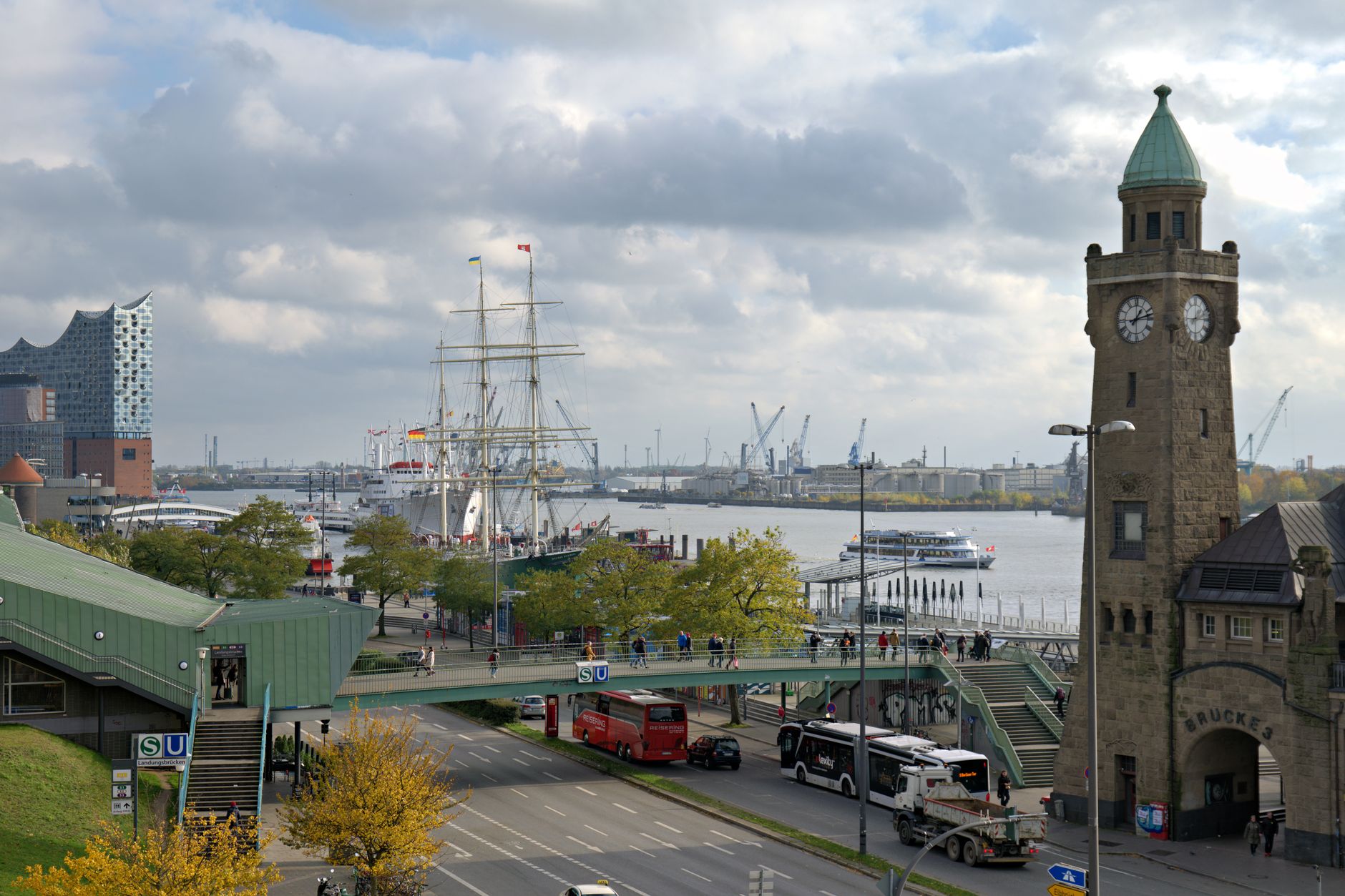
The Historic Appeal of Hamburger Kunsthalle
Hamburger Kunsthalle is the city's major art museum, and its role extends beyond simply housing artworks. It's one of the places where Hamburg narrates its relationship with Europe, with merchant wealth, and with the idea of public culture. Positioned near the water and downtown, it symbolically bridges the practical city of commerce and the more reflective city of the arts. The collection spans centuries of painting and graphic arts, with strong European representation. Visitors expecting isolated masterpieces instead discover a broader narrative: religious devotion, romantic landscapes, merchant portraits, and anxious modernity. Works don't exist in elegant isolation but dialogue with the social history of those who commissioned them, collected them, and made them public. Recent years have seen major museums rethink their display approaches, and this is evident here too—galleries prioritize readability and encourage visitors to link techniques, themes, and contexts. For the curious visitor, Kunsthalle works best when explored unhurriedly: not as an encyclopedia to complete, but as an extended conversation with European art.
International Maritime Museum Hamburg: A Window to the Ocean
At Hamburg, the sea is never just scenery—it's labor, risk, cargo, and imagination. The International Maritime Museum emerges from this layering and finds its natural home in the historic warehouse district. Entering such a museum means viewing the city through the lens of shipping routes, merchandise, and the people who connected northern Germany to the world for centuries. Collections include ship models, navigational instruments, maritime life testimonies, and trade history documentation. Miniature vessels, often remarkably detailed, aren't decorative objects—they illuminate construction techniques, social hierarchies, military and commercial functions. For those unfamiliar with maritime life, these details make concrete a history otherwise hard to picture. The museum welcomes families; many sections encourage hands-on engagement and answer children's natural questions. How did ships navigate before digital technology? What did weeks at sea mean? Interactive elements translate complex concepts into understandable experiences without reducing everything to entertainment. It's one of Hamburg's museums where the city connection feels immediate.
Deichtorhallen: Temple of Contemporary Art
Deichtorhallen differ from more traditional museums: vast, industrial spaces designed for contemporary visual language and photography. Their strength lies partly in the architecture itself, which doesn't disappear. Former market halls become part of the experience, with open volumes and light that shapes how you see installations, images, and large-scale works. Visits here require openness to encountering pieces that don't always explain themselves immediately. Documentary photography, conceptual research, video, installation art, and interdisciplinary projects coexist in often-international exhibition programs. Collaborations with international artists, curators, and institutions position Deichtorhallen as essential to understanding how Hamburg participates in global discourse on contemporary imagery. Temporary exhibitions are the venue's heart, so each visit can differ dramatically from the last. Arrive with some preparation on the current theme—contemporary art deepens when you understand its questions and references. You needn't be a specialist; simply accept that some works function more as questions than answers. In this sense, Deichtorhallen demands an open mind.
Hamburg History Museum: From Antiquity to Today
The Hamburg History Museum is among the best places to make sense of urban complexity. Hamburg isn't just a port city or commercial metropolis—it's been a free city, trade hub, battleground, site of fires and urban transformations, and a destination for migration. A history museum lets you read these phases as part of one process, not separate episodes. Chronological organization helps you follow the city's evolution from origins through modernity. Scale models, maps, documents, everyday objects, and urban reconstructions make visible what often remains abstract: how walls changed, where commerce concentrated, how the port reshaped districts. Thematic sections complete the story by exploring work, domestic life, religion, politics, and material culture. For many visitors, the most rewarding part covers local culture. Hamburg has strong traditions but resists folksy display. The museum reveals them in details: civic associations, festivals, bourgeois habits, music, relationship with water and trades. It's not an immediately spectacular visit, but it provides invaluable tools for later observing streets, canals, and neighborhoods with greater awareness.
Less-Known Hamburg Museums: Hidden Gems
Beyond the major names, Hamburg offers smaller, less immediately prominent museums. These often best illuminate the city's practical life: objects, techniques, trades, domestic taste, industrial production, and design culture. They may lack the theatrical presentation of principal museums but compensate with closer relationships between visitor and displayed materials. Craftsmanship is particularly significant in a trading city. Ceramics, textiles, metals, tools, applied arts, and manufactures illustrate how object value depends not only on aesthetics but also on use, technique, and idea circulation. A museum devoted to applied arts lets you read history through what people wore, wielded, kept at home, or displayed for status. Design at Hamburg dialogues with graphics, publishing, architecture, advertising, and urban culture. Visiting design collections means understanding how apparently simple forms answer real needs: sitting, lighting, communicating, carrying, selling. These lesser-known museums suit those wanting to slow down and observe details. They often leave quieter but remarkably persistent memories, because they speak about objects you live with daily.
Dining Experiences in Hamburg's Museums
Museum cafés in Hamburg aren't merely functional breaks between galleries. During a museum day, they become decompression spaces for processing what you've seen. Sitting after a contemporary art exhibition or history tour changes your pace—you can take notes, review catalogs, decide whether to revisit a room or move on. German cuisine appears soberly in museums: café pastries, simple plates, soups, or seasonal offerings. Hamburg adds its northern character, with fish and port-related products playing a recognized role. Expect not necessarily complete gastronomic experiences but rather value in connecting taste, pause, and cultural context. Some museums also host themed events, talks, dinners, or programs connecting cuisine to cultural content. When done well, food becomes another storytelling method: trade routes, bourgeois habits, migrant cultures, local traditions. Check current programming before your visit, as these initiatives change frequently. Well-integrated into your itinerary, they make visits less rigid and closer to the city's everyday life.
Public Art and Installations Across the City
Hamburg doesn't concentrate art only in museums. Walking through downtown, the harbor, residential districts, and regenerated areas, you encounter sculptures, urban interventions, murals, temporary installations, and visual signs that reshape spatial perception. It's a city where public art dialogues often with water, infrastructure, and industrial memory more than with classical monumental plazas. Urban art projects help read social and urban transformation. In some zones, creative interventions accompany building reuse or neighborhood redefinition; elsewhere, subtler works mark local memories, conflicts, or community identities. Not everything targets tourists, and that's the point. Public art pulses with the city among commuters, residents, students, and workers. Local artists contribute installations often reflecting Hamburg themes: harbor relationships, migration, environment, music, working-class history, and old-new coexistence. Viewing these works after museum visits creates unexpected connections. The city becomes an extension of your exhibition experience but without tickets or walls—only attention and readiness to deviate from obvious routes.
Interactive and Digital Experiences in Hamburg Museums
When used well, technology in Hamburg museums clarifies rather than replaces objects. Screens, digital maps, audio guides, multimedia content, and apps help orient you through large collections or complex themes. For international visitors, these tools make real differences, especially when overcoming language barriers or pursuing deeper interests without overwhelming the experience. Augmented reality applications, where available, prove particularly effective in history and maritime museums. They can show urban transformations, machine operations, navigation, environment reconstructions, or details hard to observe with the naked eye. The risk is screen-fixation. Use digital tools as support, alternating between digital information and direct object observation. Virtual tours have gained importance too. They don't replace physical visits but help you beforehand choose what to see, gauge space scale, and prepare children or visitors with specific needs. After visiting, they relocate specific artworks or themes. In Hamburg's museums, technology engages best when building bridges between research, conservation, and public rather than spectacularizing.
Accessibility in Hamburg Museums
Discussing museums today means discussing accessibility. Hamburg, like many European cities, has worked to make cultural institutions more welcoming to visitors with motor, sensory, or cognitive disabilities. It's not organizational detail—it determines who can truly participate in the city's cultural life. Always verify current services through individual museum official channels before visiting. Accessible facilities may include accessible entrances, elevators, barrier-free routes, seating in galleries, adequate restrooms, and clear spatial information. Historic museums in complex buildings sometimes require specific solutions varying by location. Knowing in advance prevents frustration and lets you build realistic itineraries, especially when visiting multiple museums in one day. Inclusive programs matter as much as physical structures. Adapted guided tours, simplified materials, tactile pathways, mediation for visually or hearing-impaired visitors, and programming for neurodivergent audiences broaden museums' fundamental purpose. The goal isn't separate experiences but making collections intelligible to diverse audiences. When successful, accessible museums improve for everyone because they communicate more clearly and humanely.
Hamburg's Impact on the European Cultural Landscape
Hamburg lacks the museum profile of some European capitals built around royal courts or dynastic collections. Its strength is different: rooted in civic, commercial, and international history. The city's museums reflect this identity, combining art, commerce, navigation, photography, design, and urban memory. It represents a specific contribution to Europe's cultural landscape—less celebratory and more network-based. International events, collaborative exhibitions, and institutional exchanges position Hamburg within broad cultural circuits. Major venues work with artists, curators, and museums across the continent, while historical collections enable study of Northern European relationships, maritime routes, and object circulation. The city presents not as periphery but as node: a place where influences arrive, depart, and transform. European partnerships matter for research, restoration, photography, and collection reflection too. Today's museums increasingly question object provenance, colonial narratives, community representation, and sustainability. Hamburg engages these discussions drawing on its port-city heritage. Understanding this before visiting helps you see museums not as history repositories but as living, accountable institutions.
Temporary Exhibitions Not to Miss at Hamburg Museums
Temporary exhibitions are why Hamburg's museums reward return visits. They reshape institutional character, bring loans, open perspectives on specific artists or themes, and let you rediscover permanent collections in new light. No definitive list exists—programs update constantly, some exhibitions run briefly, others fit longer cycles. Rotations prove especially relevant in art and photography museums where conservation requires alternating and selecting works. Even history museums present fresh exhibitions exploring undernarrated city aspects: migration, labor, port transformation, youth cultures, twentieth-century memory. Before traveling, spend time on official websites—not just for dates and hours but to grasp curatorial approach. For upcoming shows, honestly choose based on personal interests, not just famous names. A major retrospective matters, but smaller projects on design, urban photography, or maritime history may prove equally lasting. Arrive prepared but leave room for happy discovery. That's how you'll truly experience Hamburg's museums' unique beauty.
FAQ
What are Hamburg's most famous museums?
Top museums include Hamburger Kunsthalle, the International Maritime Museum, and Deichtorhallen.
How much do Hamburg museum admissions cost?
Prices vary; standard admission typically ranges from €10–20, with discounts and combination tickets available.
Do Hamburg museums offer English-language guided tours?
Yes, several museums offer English guided tours by reservation. Check individual institutions for details.
The guide to this city: Amburgo
Digital guide to Amburgo: what to see, where to eat, live maps and tips. Read it like an app, even offline.
Explore · € 4,99 →