Shopping in Hamburg: Markets and Crafts Worth Discovering
The essence of Hamburg shopping
Hamburg's shopping culture is rooted in a distinctly Nordic idea of quality: better to own one durable, well-made, understated piece than a random souvenir. In independent shops, you'll often notice this restraint—essential clothing, functional accessories, carefully printed paper, thoughtfully chosen home objects. Shopping with character in Hamburg starts precisely here. The city has a long commercial tradition, but doesn't turn it into continuous spectacle. In residential neighborhoods, boutiques sit alongside bakeries, florists, bookstores, and small creative studios. You walk in, look around, ask a question. The interaction is direct, sometimes reserved, but almost always knowledgeable. Those seeking local craftsmanship typically find clear answers about materials and origins. The port profoundly shaped Hamburg's commercial offering. Coffee, spices, tea, cocoa, fabrics, and objects arriving from distant trade routes molded tastes and habits. Today this legacy appears in specialty shops, food markets, and a certain appetite for non-standardized products. Hamburg remains a city of passage, but transforms passage into identity.
Historic markets: a journey through time
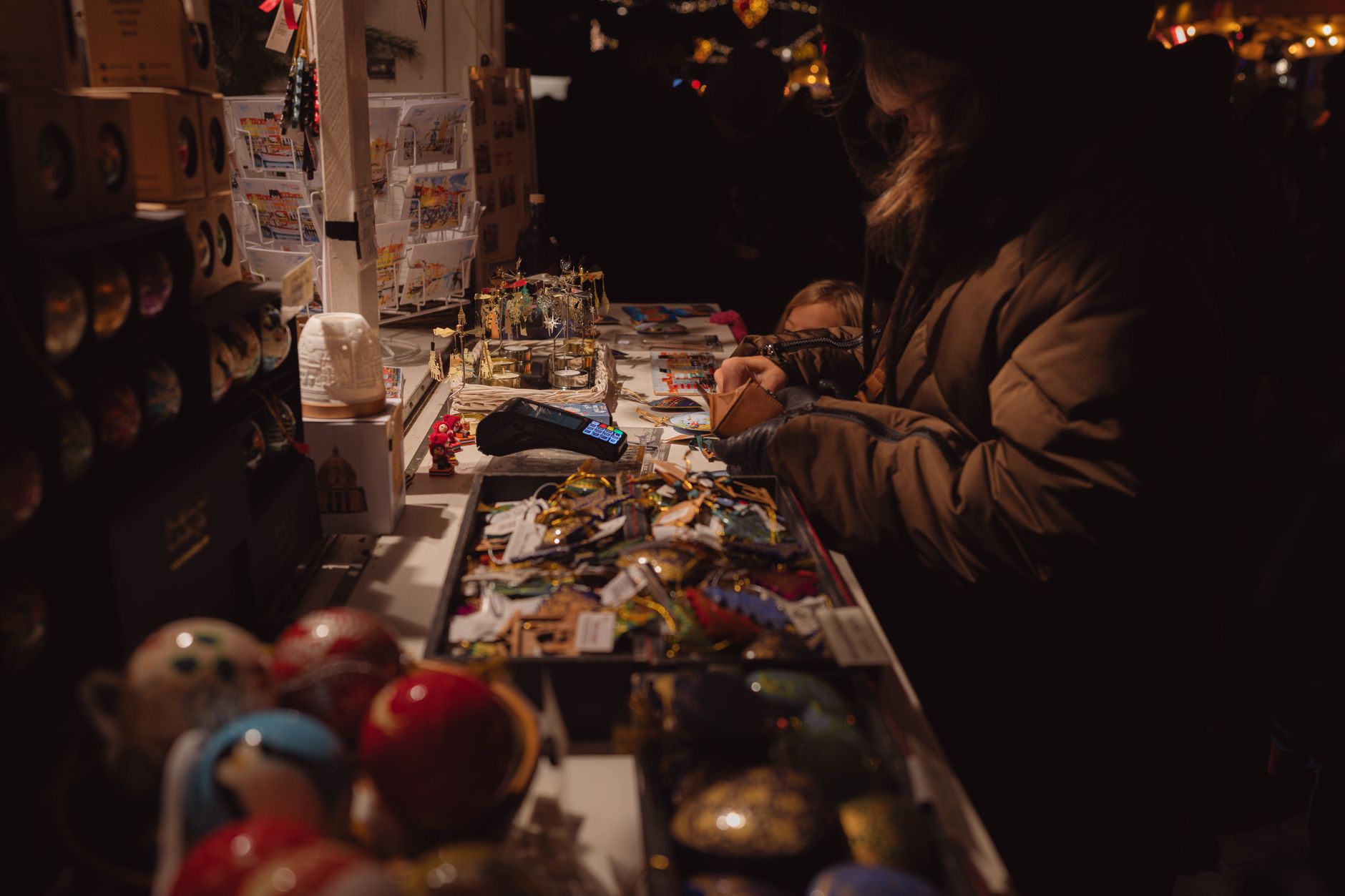
The Fish Market is one of Hamburg's most recognizable spots, but deserves more than a postcard glance. Held in the Altona district, it pulses with popular energy—vendors calling to customers, crates of fresh catch, bunches of flowers, fruit, sandwiches, music, and wonderfully diverse crowds. It's not a quiet market, and that's precisely what makes it so Hamburg. Its strength goes beyond fish. People come to witness an urban ritual, eat something standing up, hear the voices of traders, and see how the neighborhood wakes or closes a long night. The atmosphere shifts with weather, season, and crowd, but stays authentic in its mix of work, habit, and spontaneous theater. The quieter, more daily markets of Altona show another side. Shopping here is less dramatic and more tied to neighborhood life: vegetables, cheeses, bread, flowers, small producers, seasonal stalls. For travelers they're valuable because they encourage you to slow down. You see what locals buy, which products appear regularly, how much the market still matters as social space.
Winterhude: eclectic and creative neighborhoods
Winterhude is an excellent starting point for less predictable shopping. The neighborhood alternates residential streets, canals, green space, and independent shops. It lacks downtown intensity—an advantage: you can walk without rushing, pause at a window, step into a boutique, design shop, or small bookstore. Strolling between boutiques works well because the selection is varied without feeling scattered. You'll find curated brands, limited-production accessories, thoughtful children's items, home goods, and fashion with Nordic sensibility. The best part? Many shops seem designed first for residents, second for visitors—avoiding the excessive souvenir effect. After shopping, Winterhude invites lingering. Cafés, bakeries, casual bistros, and restaurants let you transform an afternoon of shopping into a neighborhood experience. In milder months, proximity to water and parks feels refreshing; on cold days, a warm interior becomes part of the journey. Here, shopping and pausing move at the same pace.
Hamburg's artisans: local talent
Hamburg's craftsmanship doesn't always announce itself loudly. It often lives in ateliers, shared workshops, neighborhood shops, or hybrid spaces where selling and making meet. Local talent shows in details: carefully finished stitching, non-perfectly industrial ceramic surfaces, jewelry bearing the mark of hand-work. Author-made jewelry and accessories are among the most interesting purchases. Many creators work with metals, stones, leather, textiles, or recycled materials, seeking clean lines and wearable objects. You needn't aim for statement pieces—often the best memory is a small accessory, chosen after talking with its creator or someone who knows the workshop's story. Ceramics and design also speak to Hamburg's character. Mugs, bowls, vases, prints, lamps, and small accents typically follow sober, functional aesthetics suited to everyday living. The connection to Hanseatic tradition isn't purely decorative but felt in the attention to use. These are objects that don't demand exhibition—they ask to be used.
Sustainable shopping: a new frontier
Hamburg has developed growing sensitivity toward sustainable shopping in recent years. This isn't just shops with green labels, but a different way of buying—less quantity, more longevity, attention to repair, reuse, and sourcing. In a port city accustomed to merchandise movement, this rethinking carries particular weight. Green itineraries can combine ethical fashion shops, curated secondhand, concept stores with local products, independent bookstores, and boutiques emphasizing natural materials. Neighborhoods like St. Pauli, Sternschanze, Ottensen, and parts of Winterhude often offer interesting angles. The best approach is building a brief walk, leaving time to compare, ask questions, understand what's behind a product. Zero-waste shops and packaging-conscious businesses also benefit travelers. You can buy solid soaps, bulk cosmetics, reusable containers, brushes, small kitchen items, or dry goods. These are practical souvenirs—not bulky and aligned with more conscious visiting. The key is not turning sustainability into a label: better to observe a shop's actual choices.
Interactive experiences and workshops
To truly understand craftsmanship, sometimes sitting at a workbench beats watching behind glass. Hamburg offers various opportunities to join creative workshops, often organized by independent studios, associations, or small workshops. Offerings change seasonally, so research ahead and choose experiences matching your level—not standard tourist courses. Visits to artisan shops let you see tools, materials, and working timelines. Whether ceramics, printing, bookbinding, jewelry, or textiles, value lies in conversation. You discover why a handmade piece costs more than industrial production, what mistakes can emerge during making, how gesture repetition matters for precision. Hand-papermaking or letterpress workshops suit those seeking quiet, concrete experiences particularly well. Handling fibers, inks, frames, or type immediately reveals the difference between bought objects and made ones. Even bringing home an imperfect result—that sheet or print—tells Hamburg's story better than mass-produced souvenirs.
Unique souvenirs: what to bring home
Good Hamburg souvenirs should connect to the city, not just bear its name. Coffee is a natural choice—Hamburg was and is vital to bean trading and roasting. Specialty shops offer blends, single-origins, thoughtful packaging, and advice on grind and brewing. It's lightweight, useful, and easy to share. Spices, tea, and sweets linked to North German tradition work well too. Spices echo the city's merchant past and the Speicherstadt—with its iconic brick warehouses—remains the strongest symbolic context for imagining their journey. Marzipan, prominent in Northern German pastry culture, offers another way to choose something authentic without cliché. For durable objects, aim for locally produced ceramics, prints, stationery, textiles, small jewelry, or accessories. A well-designed poster, a workshop mug, a hand-bound notebook takes little space but preserves genuine travel traces. The rule is simple: choose something you'd use even without Hamburg emblazoned on it.
Practical guide: getting around the city
Hamburg is large, but its transit system helps build shopping itineraries without a car. Underground, commuter trains, buses, and ferries connect downtown, port, and residential areas. For visitors, thinking by zone works well: a market morning, an afternoon browsing boutiques, a pause in a neighborhood with cafés and independent shops. Transit options themselves offer experience value. Elbe ferries, used by many residents, provide a practical and scenic way to reach port areas and western neighborhoods. Urban rail lines quickly reach areas like Altona, Sternschanze, Winterhude, or shopping zones around main streets. A simple itinerary might start downtown for flagship shopping streets, continue to a creative neighborhood, and finish at a market or food district. Another path could focus on Altona and Ottensen, mixing market, shops, and lunch. The best rule is not overloading the day—Hamburg rewards those who leave room for unexpected discoveries.
Top shopping zones: a map
Mönckebergstraße is one of Hamburg's most prominent shopping streets. Here you'll find major brands, department stores, international chains, and steady foot traffic. It's not the most intimate zone, but shows the city's metropolitan face. For upscale or luxury shopping, the central area also offers nearby streets with refined boutiques and selective windows. The Karo-Viertel, near St. Pauli and not far from Sternschanze, has a very different character. Here urban tradition and innovation coexist more roughly—independent shops, alternative fashion, vinyl, small labels, secondhand, graphic design, accessories, and casual spots. It suits those who enjoy exploring without rigid plans and don't necessarily seek the perfect window display. Also worth considering are Ottensen, balancing neighborhood life with curated shopping, and the downtown area around covered passages and shopping galleries. Each zone speaks to different visitors. The advice: choose by your pace—downtown for efficiency, Karo-Viertel for character, Winterhude and Ottensen for relaxed discovery.
Shopping for families and groups
Shopping in Hamburg with children or groups needs a looser structure. Better to avoid overly long itineraries and alternate shops, breaks, and open spaces. Markets work well because they offer varied stimuli—colors, aromas, food, music, movement. Children stay engaged better when shopping isn't just waiting at a shelf. Family activities can include small creative workshops, bookstores with illustrated sections, quality toy shops, or family-friendly cafés. Choosing a souvenir becomes play when you set a rule—find something useful, well-made, not too bulky. This way the trip memory isn't an impulse buy but a small shared decision. For groups, family-friendly zones have comfortable sidewalks, nearby transit, and chances to separate briefly without getting lost. Neighborhoods like Ottensen or Winterhude can be easier to manage than busy downtown during peak hours. It helps to set simple meeting points, plan frequent breaks, and don't underestimate Hamburg weather—it shifts the whole day's mood.
Where shopping meets food
In Hamburg, shopping and gastronomy weave together naturally. Food markets are the most obvious starting point—you buy, taste, observe. Bread, fish, cheeses, sweets, coffee, spices, and seasonal goods help you read the city through flavor. No need to seek complicated experiences—often a question at the right counter suffices. Worth-visiting restaurants are better understood as categories than checked names: fish places along the Elbe, contemporary Nordic kitchens, neighborhood bistros, cafés with good pastries, casual spots filled with residents. After a morning shopping, settling into a simple but thoughtful place lets you understand Hamburg's take on leisure—concrete, convivial, without ceremony. Tastings and food markets round out a shopping itinerary with character nicely. A roastery, spice shop, local-product counter, or small bakery can matter as much as a boutique. The important thing is combining purchases and tastings without rush. Hamburg won't reduce to a single flavor or street—it reveals itself in layers, with a light bag and ready curiosity.
FAQ
What are Hamburg's most famous markets?
Hamburg's Fish Market and the Altona markets are among the city's most celebrated.
Where can you find the best local craft shops in Hamburg?
Neighborhoods like Winterhude and Karo-Viertel host many local artisan shops.
When do Hamburg's outdoor markets operate?
Most outdoor markets run on weekends, while the Fish Market is active Sunday mornings.
What typical Hamburg products are worth buying?
Marzipan, local spices, and handmade jewelry are highly appreciated souvenirs.
How do you reach Hamburg's markets by public transit?
Hamburg's efficient public transport connects major markets throughout the city.
What are Hamburg's best shopping zones?
Mönckebergstraße and Karo-Viertel are well-known quality shopping destinations.
The guide to this city: Amburgo
Digital guide to Amburgo: what to see, where to eat, live maps and tips. Read it like an app, even offline.
Explore · € 4,99 →