Festivals and Events That Make Hamburg Unique

Introduction to Hamburg's Cultural Scene
Hamburg's cultural life has one striking feature: it's never concentrated in a single place. The historic center and the Rathaus area tell the story of a merchant city, but the moment you head toward the port, the tone shifts entirely. The Speicherstadt warehouses, docks, bridges, and HafenCity's modern architecture frequently host public events, installations, concerts, and thematic routes. Hamburg knows how to use its open spaces well, even when the sky doesn't promise much. St. Pauli brings a different energy—more nocturnal and music-focused, tied to clubs and the Reeperbahn. Ottensen and Sternschanze speak to a more local crowd through small festivals, markets, independent cinemas, and grassroots cultural initiatives. The Alster, with its accessible waterfront, becomes a natural gathering place for outdoor events during milder months. This scattered geography makes Hamburg interesting for visitors: you don't just choose a festival, you choose the neighborhood and atmosphere you want to experience.
Reeperbahn Festival: Hamburg's Musical Heartbeat
The Reeperbahn Festival is one of the best windows into contemporary Hamburg. Born from the context of St. Pauli's most famous street, it has grown into a major European reference point for live music and the music industry. Its strength lies not just in big-name acts, but in a network of clubs, venues, theaters, and temporary spaces that activate simultaneously. For a few days, the city functions like a single sound circuit. First-time visitors may be surprised by the format: it's not a sprawling festival field, but an urban exploration. You'll move from a rock concert to an electronic live set, from professional conferences to experimental performances. Many participants choose it specifically to discover artists before they become famous. The Reeperbahn, with its history of lights, bars, and contrasts, provides a coherent backdrop: direct, vibrant, never overly polished.
Traditional Festivals: History Meets Modernity
Among traditional celebrations, Hamburg Port Anniversary (Hafengeburtstag) holds special significance because it centers on what Hamburg considers part of its identity: the port itself. This birthday celebration features historic vessels, modern ships, maritime demonstrations, and crowds spreading along the Elbe riverbanks. It's not a closed historical reenactment. Rather, it's a large-scale public narrative about the city's relationship with maritime commerce, between Hanseatic heritage and contemporary logistics. The Christmas season carries distinctly Hamburg character too. Markets appear throughout the city, but the Alster area adds a particular dimension: walking along the water with lights reflected and northern chill in the air is a simple, recognizable experience. There's no need to chase fairy-tale effects. The beauty lies in concrete details: a warm drink, craft stalls, caroling, the evening flow of residents heading home from work.
Summer in Hamburg: Outdoor Events and Festivals
Summer in Hamburg is experienced with a certain urgency—long days and milder weather are opportunities not to be wasted. City parks host concerts, outdoor cinema, small festivals, and neighborhood events. Crowds typically arrive with blankets, bicycles, children, dogs, and friends gathered on short notice. The atmosphere is informal, closer to everyday public space usage than to a visitor-focused production. Lake Alster becomes one of the most pleasant venues for following summer events and initiatives. The waterfront invites walks, music, sports activities, and outdoor gatherings. Sometimes the city uses water as a stage; other times simply as a backdrop. This reveals an often-underestimated Hamburg quality: despite being a major industrial port city, it allows itself moments of slowness, with a mixed audience of residents, students, families, and travelers.
Events at Elbphilharmonie: Music and Architecture
Elbphilharmonie is more than a concert hall—it's become a symbol of a new Hamburg eager to dialogue with the port without erasing it. Built atop a former warehouse and dominating HafenCity, it attracts even those without a concert ticket. Programming ranges from classical music to jazz, contemporary works to educational projects, with an approach reaching beyond traditional enthusiasts. Visiting the building, even just to observe the public spaces, helps explain why it entered the city's imagination so quickly. Guided tours and discovery paths explore the architecture, acoustics, relationship with the Elbe, and connection to Speicherstadt. The best experience isn't necessarily the most exclusive: a visit to the panoramic plaza before or after an event offers clear geography of Hamburg, suspended between water, cranes, churches, and new neighborhoods.
Cultural Experiences in St. Pauli and HafenCity
St. Pauli remains the neighborhood where Hamburg shows its most irregular and creative side. Events here don't always have the orderly appearance of official festivals: they might be intimate club concerts, cabaret nights, film screenings, political gatherings, performances, street parties, or community-based initiatives. The Reeperbahn is most famous, but interest grows when you venture into side streets and observe the mix of residents, clubs, theaters, and associations. HafenCity proposes different cultural grammar. It's a recent, planned neighborhood, often debated, but rich with public spaces hosting exhibitions, guided walks, architectural events, and waterfront initiatives. Here the focus isn't nightlife but urban transformation. Attending an event in HafenCity means witnessing how Hamburg is reinventing its relationship with warehouses, water, and contemporary city functions.
Family Events and Cultural Activities for Everyone
Hamburg is very family-friendly, and this reflects in its events. Many festivals include children's activities, workshops, simplified routes, outdoor performances, and programs designed for non-specialist audiences. Parks, Alster waterfront areas, and parts of the port allow you to alternate events with breaks without completely changing plans. It's practical, but important when traveling with different rhythms. Children's theater also has strong presence in the city's cultural life. Alongside major venues are smaller theaters offering puppet shows, music, storytelling, and productions suited to different ages. Language might seem like a barrier, but many children's performances use gesture, sound, and imagery immediately. For a traveling family, entering one of these spaces is also a way to see a less touristy, more everyday Hamburg.
Hidden and Underground Events: Discover Hamburg's Other Side
Discussing hidden events in Hamburg requires care: what really matters isn't exclusivity but the city's ability to keep an independent scene alive. At certain times of year, underground festivals, self-organized series, concerts in unconventional spaces, temporary art initiatives, and nights connected to local collectives emerge. These events often change venues, format, and audience precisely because they grow from creative networks rather than large organizational structures. To catch them, watch bulletin boards, small club programs, cultural center schedules, and ask residents. Locations might be courtyards, former industrial areas, bars with hidden back rooms, social spaces, or adapted rehearsal studios. Not everything suits every traveler, and organization isn't always predictable. But the curious find an essential Hamburg here: less photographed, more fragile, often more honest in revealing the city's tensions and energies.
Annual Guide: Month-by-Month Events
Thinking of Hamburg month-by-month helps choose the right time. Winter is marked by Christmas markets, indoor concerts, and intense theater schedules; after holidays, the city becomes quieter but museums, venues, and clubs keep working. Spring brings outdoor events, exhibitions, first neighborhood festivals, and port-related celebrations. It's ideal for avoiding peak crowds and watching the city reclaim outdoor space. Summer belongs to parks, the Alster, open-air festivals, and long summer nights in neighborhoods. Autumn has strong identity through music, cultural series, and audiences returning to theaters. The Reeperbahn Festival draws international visitors, while Elbphilharmonie and theaters launch new programming phases. Whenever you visit, check official calendars shortly before departure: Hamburg's best events often dialogue with weather, available spaces, and the city's actual rhythm.
FAQ
What are Hamburg's must-see events?
Top events include the Reeperbahn Festival, Hamburg Port Anniversary, and Elbphilharmonie concerts.
When does the Reeperbahn Festival take place?
The Reeperbahn Festival runs every September in the St. Pauli neighborhood.
Where are Hamburg's most famous concerts held?
Major concerts are held at Elbphilharmonie and in parks during summer season.
What events happen in Hamburg during winter?
Winter offers Christmas markets, Elbphilharmonie concerts, and theater productions.
Are there free events in Hamburg?
Yes, many free events occur outdoors during summer and at urban festivals throughout the year.
How can I attend Hamburg's traditional celebrations?
Most traditional festivals are open to the public, with activities in squares and parks.
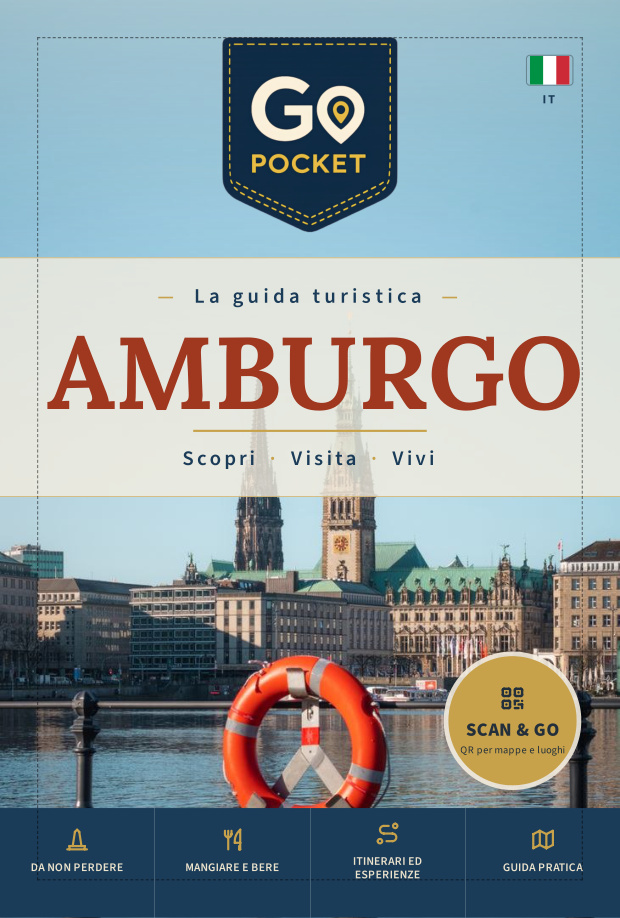
The guide to this city: Amburgo
Digital guide to Amburgo: what to see, where to eat, live maps and tips. Read it like an app, even offline.
Explore · € 4,99 →