A Day on Foot Through Helsinki's Wonders
Introduction to Helsinki's Heart
Discovering Helsinki on foot is a natural choice, not just practical. The center is compact, traffic is generally orderly, and many symbolic places are within reasonable walking distance of each other. Walking helps you better understand the city's relationship with the sea: it's not just a decorative backdrop, but a continuous presence that shapes streets, squares, markets, and daily life. A walking itinerary through Helsinki lets you catch details that public transportation would skip: the shift in atmosphere between a monumental square and a pier, the smell of fresh bread near the markets, the sobriety of public buildings, the quiet courtyards behind austere facades. The Finnish capital doesn't chase spectacular effects at every corner; often it wins through restraint. For a successful day, start early, wear comfortable shoes, and be ready for a flexible pace. Some stops invite you to stay longer than planned, others are perfect for a quick break. In summer, extended daylight stretches your route; in winter, you'll need to plan more carefully, alternating outdoor and indoor time to enjoy the city without battling the weather too much.
A Morning at Senate Square
Senate Square is one of the best places to begin reading Helsinki. The collection of neoclassical buildings tells of a pivotal moment when Helsinki was redesigned as the capital of the Grand Duchy of Finland under Russian rule. Architect Carl Ludvig Engel helped give it an orderly, clear, and recognizable face—still central to the city's image today. The square functions almost like an open-air hall. On one side are buildings connected to institutional and academic life, on the other, a grand staircase leading to the Cathedral. Standing in the center lets you notice the proportions, the color of facades, the geometric clarity of the space. It's not a noisy square in the Mediterranean sense: often its charm lies in the emptiness, light, and calm. ### The Importance of Helsinki Cathedral Helsinki Cathedral dominates the scene without need for excessive decoration. Its white silhouette, with the central dome and smaller domes, has become one of the city's most recognizable symbols. Climbing the staircase isn't just about visiting it: from there you observe the center from a different perspective, with the harbor nearby and the orderly lines of the historic quarter descending toward the sea.
The Charm of Helsinki Harbor
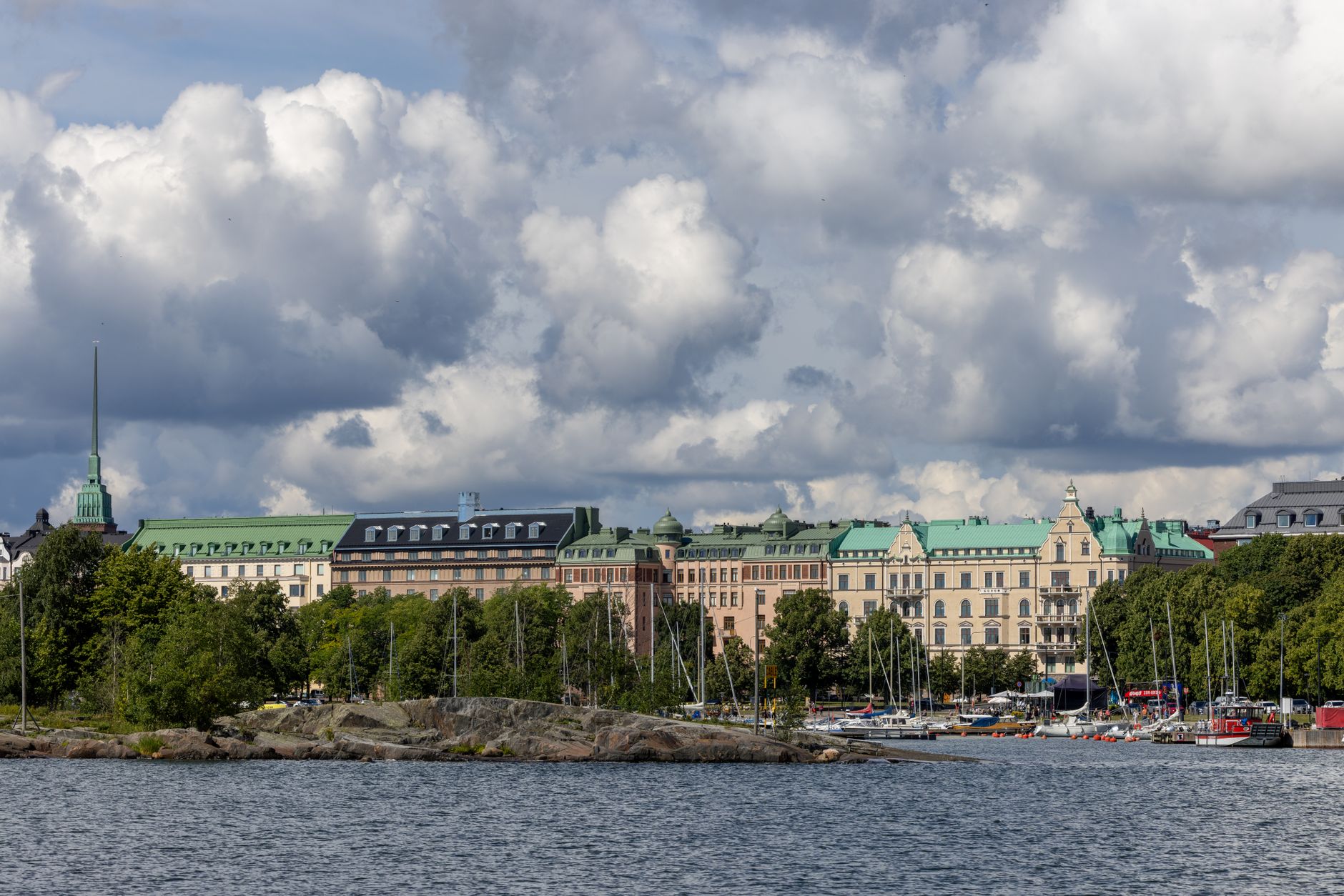
From Senate Square it's just a short walk to the harbor, and the change in atmosphere is striking. Here Helsinki stops appearing as merely an administrative capital and becomes a maritime city again. Ferries, boats, seagulls, piers, and distant islands remind you that the Gulf of Finland has shaped local life for centuries—from commerce to defense to leisure. Walking along the waterfront helps you understand how integral the sea is to everyday life. It's common to see residents moving through the area naturally, heading to the market, catching ferries, or simply out for a walk. The zone changes dramatically with the seasons: in summer it's livelier and brighter, in winter it becomes essential, almost graphic, with dark water and sharper island profiles. The harbor is also a good point to orient yourself for the rest of the day. From here you can easily reach the market, departures for Suomenlinna, and some of the center's elegant streets. Don't rush through it: observing the wharves, historic facades, and passenger traffic gives you a concrete sense of Helsinki as a transit city, open toward the Baltic yet rooted in Nordic restraint.
Exploring Helsinki Market Hall
The Market Hall is a valuable stop because it takes your itinerary from urban landscape to material culture. Inside, Helsinki tells itself through rye bread, fish, soups, cinnamon rolls, preserves, cheeses, and small stalls where tradition coexists with contemporary habits. You don't need to be a Finnish cuisine expert: just watch what locals choose and let yourself be curious. The market is more than just a place to eat. It's a space that speaks about climate, seasonality, and the historical necessity of food preservation. Salmon, herring, berries, mushrooms, and grains recur often in Finnish cuisine because they belong to a landscape of forests, lakes, and coastlines. Tasting something here means getting closer to a way of living rather than just checking off a food experience. For a walking traveler, the Market Hall is also an intelligent break. It shields you from wind or cold, lets you sit without heavy time commitment, and sends you off refreshed. Avoid rushing: many details emerge in ordinary gestures, signs, orderly displays, and the vendors' discretion. Helsinki often reveals itself this way, with precision and few words.
Toward Suomenlinna: A Plunge Into History
Suomenlinna is one of the most accessible and significant excursions to include in a day in Helsinki. The maritime fortress, spread across several islands, was built during the Swedish period and later came under Russian control, reflecting Finland's complex historical journey. Today it's a UNESCO World Heritage site and, at the same time, an inhabited place: this balance makes it different from a simple monument. Reaching it is simple thanks to ferry connections from the harbor front, integrated into the city's daily life. The crossing is brief but enough to shift perspective: the downtown skyline recedes, islands approach, and you perceive the strategic role this archipelago played in defending Helsinki. Even with limited time, you can dedicate an essential but intense visit to Suomenlinna. Once there, the best way to explore is to walk without hunting for just a scenic viewpoint. Bastions, cannons, repurposed military buildings, pathways, and meadows tell different layers of history. It's important to remember that some areas are part of an inhabited neighborhood: moving with respect, staying on marked trails, and maintaining a calm pace helps you grasp the site's unique nature.
Strolling Along Esplanade
Back toward downtown, Esplanade offers an urban break different from the harbor. It's an elegant axis, frequented by residents and visitors alike, where shops, cafés, trees, and benches create a passage space that also invites lingering. It's not a large park in the classical sense, rather an outdoor city room, useful for observing Helsinki in its daily rhythm. The Esplanade walk reveals a more worldly but still measured side of the capital. The Finnish design shop windows, attention to home objects, simplicity of lines and materials, all point to a deeply rooted design culture. Here design doesn't appear as decoration for tourists: it enters chairs, lamps, fabrics, and the arrangement of spaces. Stopping for a coffee or sitting on a bench is part of the experience. In Helsinki, pauses aren't dead time but moments to understand how the city manages public space. On a full day, Esplanade functions as a hinge: connecting the harbor, commercial and cultural center, and preparing you to move toward museums, residential neighborhoods, or more distant parks.
Art and Nature at Sibelius Park
Sibelius Park requires a bit more effort than central stops, but it's worth it if you want to see a greener, more residential side of Helsinki. The park is dedicated to composer Jean Sibelius, a central figure for Finnish cultural identity. Sibelius's music is often associated with the Nordic landscape and national sentiment, but the place avoids heavy rhetoric. The most notable feature is the monument by Eila Hiltunen, made of numerous welded steel pipes. The work sparked discussion when created, partly because it didn't represent the composer in traditional fashion. Today it's one of the city's most photographed stops, but it deserves close viewing—notice how it changes with light and movement around it. The park invites a slower pause. You walk among trees, meadows, and water views, in an environment showing how Helsinki balances urban density with accessible nature. For those on a walking itinerary, this stop reminds you the city doesn't live by monuments alone: the quality of green space is integral to its character, daily well-being, and the Finnish way of inhabiting the capital.
An Afternoon Discovering Museums
In the afternoon, especially if weather shifts, Helsinki's museums become a precious choice. The city offers very diverse institutions: classical art, contemporary art, architecture, design, national history. One day makes visiting all unrealistic, so choose based on your interests, avoiding turning the route into a sequence of rushed, forgettable entries. A good strategy is spending time at one main museum and leaving others as possible alternatives. Those wanting to understand Finnish visual culture might head to art collections, those attracted to daily life might prefer design, those seeking experimental language might choose contemporary. Helsinki benefits from having many cultural venues easily reachable from downtown. ### Kiasma and Its Contemporary Art Kiasma is one of the most representative museums of contemporary Helsinki. The building itself dialogues with the city through curved lines, light, and open spaces, and exhibitions often address themes of society, the body, technology, and identity. Even those not regular contemporary art visitors can find useful readings of today's Finland—more complex and urban than Nordic stereotypes suggest.
Katajanokka District: Architecture and Charming Cafés
Katajanokka sits near downtown but has its own character. Once a harbor and military area, it now mixes residential buildings, terminals, historic architecture, and quiet views. Walking through it lets you see a Helsinki less immediately apparent—far from Senate Square's monumentality and Esplanade's elegant stroll, yet equally interesting for those who love observing urban transformations. The district is also known for Art Nouveau (Jugend style locally) buildings. Facades show stone details, turrets, decorated portals, and motifs inspired by nature or Nordic medieval themes. You don't need architectural history knowledge to appreciate them: just look up and notice how each building seeks personality without losing solidity. It's unassuming beauty, but very concrete. Katajanokka is also good for a break at a café with intimate atmosphere, without necessarily hunting the famous spot. Here residential dimension makes the experience more quotidian. A warm beverage, a simple pastry slice, a few minutes by a window: after many walking hours, this kind of pause helps you recover energy and see Helsinki as a lived-in city, not just visited.
Discovering the Designed Village: Arabia
The Arabia area, often linked to the broader Arabianranta neighborhood, tells of Helsinki's deep relationship with design. The zone connects to the historic Arabia ceramics production, a name that played an important role in Finnish domestic imagination. Speaking of a "designed village" means a neighborhood where living, studying, creating, and designing interweave visibly. This stop takes you off the classical downtown circuit, so include it with purpose in a one-day itinerary. Those loving design, contemporary architecture, and transforming neighborhoods can find it very stimulating. It's not a destination to visit hunting a single monument: value lies in the whole—the pedestrian routes, public spaces, echoes of artistic and industrial production. Walking around Arabia helps you understand that Finnish design doesn't emerge only in downtown boutiques. It has roots in production, education, object functionality, and how spaces are conceived for everyday life. It's a more reflective than scenic stop, suited for those wanting to go beyond Helsinki's first impression and approach its design culture.
How to Visit Helsinki on Foot Sustainably
Helsinki is suited to responsible tourism, but sustainability depends not just on infrastructure: it depends on the traveler's choices. Walking is already a good start, reducing unnecessary trips and letting you live the center attentively. When distances grow, you can combine walking with trams, subway, or ferries without losing itinerary sense. Eco-friendly approach includes small concrete gestures. Carrying a reusable water bottle, avoiding single-use purchases, respecting parks, not straying from trails in natural areas, and choosing breaks at places valuing local products are simple but useful behaviors. At markets and cafés, order only what you'll consume: in travel, sustainability is often about measure. Walking slowly also distributes tourist presence better. Rather than concentrating only on the most photographed spots, you can cross side streets, residential neighborhoods, and less-crowded public spaces. This doesn't mean hunting secret places: it means respecting the city's rhythm. Helsinki rewards those who observe, listen, and move leaving no more noise than necessary.
Authentic Cultural Experiences in Helsinki
To experience Helsinki beyond conventional routes, pay attention to local habits. The sauna, for instance, isn't folklore tourism but a social and personal practice rooted in Finnish life. If you choose to try one, inform yourself about behavior rules, respect requested silence, and understand the experience holds deeper value than simple relaxation. Coffee culture also deserves attention. Finns are big coffee consumers and daily pauses play an important role. A walking itinerary can include a break not just to rest but to observe how people inhabit spaces: shared tables, unhurried conversations, simple pastries, less rushed tempos than other European capitals. Another authentic experience is frequenting libraries, markets, parks, and public spaces without seeing them as just services. In Helsinki these places express an idea of accessible, orderly, shared city. Entering a modern library, listening to a free concert when available, watching families and students in parks lets you catch everyday Finland—less stereotyped and often more interesting than postcard images.
Final Advice on Avoiding Crowds
Helsinki isn't generally an overwhelming capital, but some areas can concentrate visitors, especially during peak seasons and when large ships arrive. To better enjoy main places, start early from Senate Square and the harbor, leaving central zones before they become too animated. Morning light also makes facades and open spaces more readable. Another way to avoid crowds is alternating celebrated stops and less-trodden neighborhoods. After the market or Esplanade, shift toward Katajanokka, quieter parks, or design and residential areas. This creates more balanced rhythm and prevents spending the whole day at spots where everyone stops for the same photo. Finally, embrace flexibility. If a stop seems too crowded, reverse its order, take a break, or choose a museum as temporary shelter. In Helsinki distances and connections easily allow these adjustments. A good itinerary isn't a rigid list: it's a map leaving room for time, weather, and experience quality.
Conclusion and Final Reflections
Visiting Helsinki on foot in one day means building a narrative of measured contrasts: Senate Square's solemnity, the harbor's movement, the market's flavors, Suomenlinna's military memory, green parks, museums' discrete energy, and design neighborhoods. Each stop adds a piece without claiming to explain everything. This itinerary's strength lies in seeing the city at human scale. Walking reveals details defining Helsinki more than descriptions: how people use public spaces, continuous relationship with water, design's presence in everyday life, interior care when weather outside is harsh. These are simple elements, but they stay in memory. If you have just one day, don't force every museum, neighborhood, and island into the same program. Choose stops matching your travel style and leave room for the unexpected. Helsinki reveals itself better this way, with steady pace and open gaze. Sign up for our newsletter to receive exclusive itineraries and unique travel tips!
FAQ
What's the best walking route to visit Helsinki in one day?
Start at Senate Square, follow the harbor, explore Suomenlinna, and end at Esplanade.
Is it feasible to visit Helsinki on foot in just one day?
Yes, with a well-planned itinerary you can explore the main attractions on foot.
What are the main attractions to see in Helsinki in one day?
Senate Square, Suomenlinna, Esplanade, and the Market Hall are among the main ones.
The guide to this city: Helsinki
Digital guide to Helsinki: what to see, where to eat, live maps and tips. Read it like an app, even offline.
Explore · € 4,99 →