Ouzo: The Spirit That Defines Athens and Greece
Introduction to Ouzo
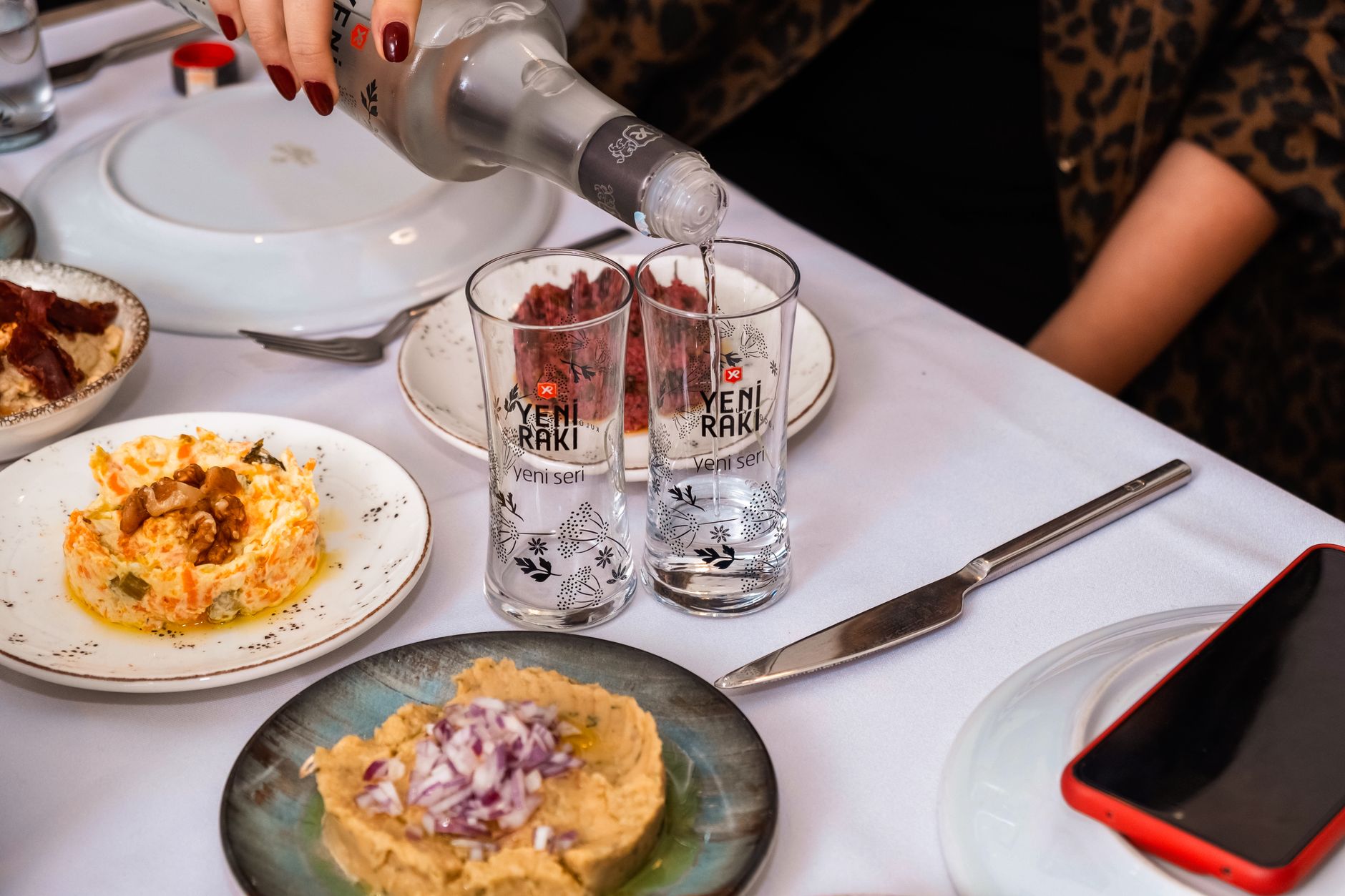
Ouzo is an anise-flavored distillate—clear in the glass and immediately recognizable by its nose. Its scent evokes anise, but often hints at seeds, herbs and spices used in different measures by each producer. In Athens, it arrives at the table as an aperitif, but rarely consumed alone or in haste: it accompanies small plates, conversation and unhurried pauses. Its cultural meaning lies precisely here. Ouzo isn't designed to isolate the drinker from context, but to build a shared scene. An outdoor table, a plate of olives, salted fish or cheese, two glasses turning cloudy with water—these are everyday details, not postcard folklore. For visitors to Athens, ouzo is a concrete key to entering local life. You needn't seek out solemn ritual: simply observe how it's served in an ouzerí, how it alternates with bites, and how its character shifts by neighborhood. It's a national spirit, but in the capital it takes on the city's urban character.
The History of Ouzo
Discussing ouzo's history requires an important distinction: ancient Greeks knew anise and used aromatic herbs in wines and medicinal preparations, but ouzo as we know it today is far more recent. Its cultural roots, however, run deep in Mediterranean familiarity with fragrant seeds, digestifs and aromatized drinks. Distillation developed across the eastern Mediterranean through technical, commercial and cultural exchange. In Greece, ouzo connects to the tradition of grape-based and pomace distillates, particularly tsipouro, from which it gradually differentiated through marked use of anise and a more defined profile. It wasn't a sudden invention, but an evolution. In modern centuries the spirit found strong identity in islands and ports, where products, spices and artisanal expertise circulated. Lesbos, in particular, is often associated with highly respected production. Athens, as capital and major market, absorbed the finest versions and made it a stable element of the city table.
How Ouzo Is Produced
Ouzo production begins with agricultural alcohol, which is aromatized and distilled with selected ingredients. Anise is the star, but not the only option: fennel, coriander, mastic, cinnamon or other spices may appear in recipes, yielding drier, sweeter or more balsamic results. Each producer guards their own balance. Distillation is the step that gives the product depth. Traditional methods use copper stills, valued because they enable controlled, clean handling of aromatics. The heart of the distillation is then diluted and left to harmonize. Quality depends on raw materials, technical precision and the ability to avoid overwhelming anise with excess sugar or perfume. When ouzo meets water or ice it becomes cloudy: this is the famous louche effect, caused by anise essential oils separating as alcohol content drops. For many travelers it's their first moment of surprise. For Greeks it's normal, almost automatic—a gesture signaling the start of tasting.
Ouzo vs. Other Anise Spirits
Ouzo belongs to the large Mediterranean family of anise liqueurs and distillates, but shouldn't be confused with sambuca, pastis, arak or raki. The aromatic similarity is clear, especially on first taste, but ingredients, techniques, proof, sweetness and use differ. A spirit's identity lies not just in taste, but in how it's served. Compared to Italian sambuca, ouzo tends to be less sugary and more tied to savory fare. French pastis has different origins, often linked to aperitif with generous water ratios. Levantine arak engages another culinary tradition, while Turkish raki, though geographically and culturally close, has its own profiles and customs. In Athens this difference becomes clear without formal instruction. Simply sit before a plate of mezze and drink slowly: ouzo doesn't aspire to dessert status, nor to casual sipping. It bridges salt, fat, acidity, fish, herbs and conversation. That's where it finds its place.
Top Ouzo Brands to Try in Athens
Athens stocks many ouzo labels, from widely distributed to small-batch producers. Some Greek names are known internationally—like Plomari, Barbayanni, Mini or Babatzim—and represent different styles: some pursue dry, clean profiles; others favor smoothness; still others showcase complex aromatic notes. The most useful advice isn't to chase one brand, but to taste carefully. At a well-stocked ouzerí you can request a local bottling or less industrial option without expecting laboratory-grade tastings. Staff often know which ouzo suits your chosen dishes, especially if you order fish, pickled vegetables, cheeses or highly savory preparations. Artisanal and regional labels reveal how much the spirit changes by zone. A Lesbos label may differ markedly from one from northern Greece or a producer nearer the capital. Thanks to its broad supply, Athens is an ideal starting point to build your own personal map.
How to Taste Ouzo in Athens
Tasting ouzo in Athens means choosing the right setting. While tourist zones offer plenty, the most interesting character often emerges in ouzeríes frequented by locals, mezedopoleia and spots near markets or toward Piraeus. An elegant setting isn't necessary: what matter are the bottle, food, pace and company. The service tradition is straightforward. Ouzo arrives in a small or medium glass, often with cold water on the side and sometimes with ice. You drink in small sips, alternating with mezze. The idea of a quick toast and draining your glass doesn't belong to this culture: ouzo accompanies, it doesn't interrupt. With or without ice? That depends on preference. Water opens aromatics and lightens the spirit; ice chills quickly but may dull subtleties if overused. Many prefer adding cold water first, then, if desired, a single cube. The pleasure is in trying and finding your own balance.
Ouzo and Greek Cuisine: Perfect Pairings
Ouzo works beautifully with Greek food because it engages intense flavors. Anise cleanses the palate after salty, fatty or marinated foods, while its aromatic freshness handles garlic, lemon, herbs and seafood well. This isn't a constructed pairing: it emerges from daily habit and a cuisine of small tastes. Mezze are its natural terrain. Olives, salted anchovies or sardines, octopus, squid, taramosalata, feta, cucumbers, peppers, seasoned legumes, fried zucchini or grilled cheeses are common examples. Variety lets you sip slowly, changing each bite and your perception of the spirit without heavy loading. In Athens, especially in market and harbor zones, the ouzo-seafood marriage is particularly evident. A simple plate of shellfish or marinated fish can be more rewarding than elaborate preparations. Well-chosen ouzo doesn't mask sea flavors; it accompanies them with a dry, fragrant note.
Innovation and Trends in Ouzo Consumption
In recent years ouzo has entered cocktail language, especially in more adventurous Athens bars. It hasn't replaced traditional service but joined it. Bartenders use it in small measures to add aromatic depth to drinks with citrus, fresh herbs, honey, soda or neutral spirits. The challenge is not turning it into an invasive perfume. Anise dominates easily, so the best cocktails treat it as accent, not as aromatic mass to cover with sugar. A touch of ouzo can evoke the Mediterranean without becoming caricature. This approach appeals to those seeking Greek flavors in contemporary form. At home, many Greeks remain faithful to the classic way. Innovative trends are more visible in urban venues, where travelers and young residents happily embrace experimentation. For Athens visitors, trying both versions is worthwhile: first ouzo with mezze, then perhaps a thoughtful cocktail, to grasp how flexible this spirit can be.
Athens Bar Culture: A Journey Through Top Venues
Athens' drinking culture is layered. There are traditional cafés, tavernas, ouzeríes, wine bars, cocktail bars and hybrid spots that shift tone from afternoon to evening. Ouzo lives primarily where food accompanies drink, but it's also found in bars attentive to local scene and Greek products. In central neighborhoods you'll find historic spots with bottle-lined shelves, narrow rooms and outdoor tables. Elsewhere, in residential areas or near water, atmosphere may be more relaxed, almost familiar. The key distinction isn't between famous and unknown, but between venues serving ouzo as mere tourist passthrough and places where the spirit's service has real meaning. A good sign is a carefully curated mezze menu, essential and coherent with the drink. Athens shouldn't be read only as a city of monuments; its bars reveal habits, generations and different ways of being together. Ouzo is one thread connecting them.
Artisanal Ouzo Production in Athens
Athens isn't Greece's most renowned ouzo production center, but it's an important place to discover distribution, selection and the spirit's story. The capital gathers labels from many regions and hosts specialized shops, wine stores and venues treating Greek distillates with expertise. For curious travelers, this is an advantage. Those exploring the artisanal side should seek guided tastings, well-curated Greek product shops or restaurateurs able to explain differences between labels. You needn't visit a still: often the first step is learning to read styles, origins and ingredients by comparing two or three bottles in context. That said, around the capital and elsewhere in the country exist small production realities tied to distillation. Before organizing a visit, research ahead—not all productions welcome visitors and conditions vary. Better to avoid improvisation and trust serious local operators.
Ouzo in Popular Culture and Celebrations
Ouzo appears often in Greek social moments: long lunches, family gatherings, friend meetups, summer evenings. It's not essential at every celebration, but when it appears it carries ideas of informal sharing. The toast isn't the only important moment; what counts is the time spent around the table. In popular culture ouzo associates with music, tight-tabled venues, islands, harbors and post-work breaks. These are real images, though sometimes simplified by tourism. The spirit is part of a recognizable national imagination, but shouldn't be reduced to liquid souvenir for suitcases. In Athens, a complex modern city, ouzo coexists with craft beers, natural wines and international cocktails. This coexistence makes it interesting: it's not a past remnant but a presence adapting. It can be popular, familiar, traditional or contemporary, depending on the glass and company.
Beyond Athens: Discovering Ouzo Elsewhere in Greece
After encountering it in Athens, many travelers discover ouzo has precise geographies. Lesbos is one celebrated area, with highly respected production tradition and strong connection between distillation, ports and local tables. It's not the only one, but a frequent stop for deeper exploration. Other northern Greece and Aegean zones also have interesting productions. There, ouzo isn't merely a shelf bottle: it enters seafood meals, afternoon breaks, producer narratives and small daily rituals. Traveling beyond the capital lets you catch nuances already curated when they reach Athens. The capital remains an excellent tasting lab though. Before heading to islands or north, you can build an assortment base and learn your preference: drier, more aromatic, smoother, more spiced. Then, beyond Athens, each territory adds context and makes your glass less abstract.
Storing and Serving Ouzo Properly
Ouzo stores without fuss, provided it stays away from direct light, heat and major temperature swings. An unopened bottle lasts long; once open, reseal well and keep it cool. It needn't be treated like delicate wine, but don't forget it near heat sources. Serving at home, the ideal is chilling water and glasses, not necessarily the bottle. Pour ouzo first, then add cold water gradually, observing the color shift. Ice can be added but sparingly. Simple glasses help maintain the right atmosphere: this isn't a spirit for theatrics. Final advice: always serve it with something to eat. Even a few mezze suffice—olives, cheese, bread, pickled vegetables, conserved fish or a savory dip. Ouzo shines when accompanying the table. On your next Athens visit, trying it this way lets you understand why this spirit continues telling Greece's story so naturally.
FAQ
What is ouzo?
Ouzo is a traditional Greek anise-flavored liqueur known for its distinctive aroma and flavor.
What is the origin of ouzo?
Ouzo has roots in ancient Greece, evolving over time to become a national symbol and cultural icon.
Where can I drink the best ouzo in Athens?
Traditional bars in Plaka and central Athens offer excellent ouzo tasting experiences with authentic preparation and service.
What are the main ingredients in ouzo?
Ouzo's main ingredients are alcohol, anise and other aromatic herbs, with each producer using their own blend.
What food pairs well with ouzo?
Ouzo is typically enjoyed with mezze—a variety of small plates like olives, feta cheese, calamari and seafood.
Should ouzo be drunk neat or with ice?
Ouzo can be enjoyed neat, but it's common to add ice or water, which enhances the flavors and creates the characteristic cloudy effect.

The guide to this city: Atene
Digital guide to Atene: what to see, where to eat, live maps and tips. Read it like an app, even offline.
Explore · € 4,99 →