Ancient and Modern Flavors: The Culinary Traditions of Athens
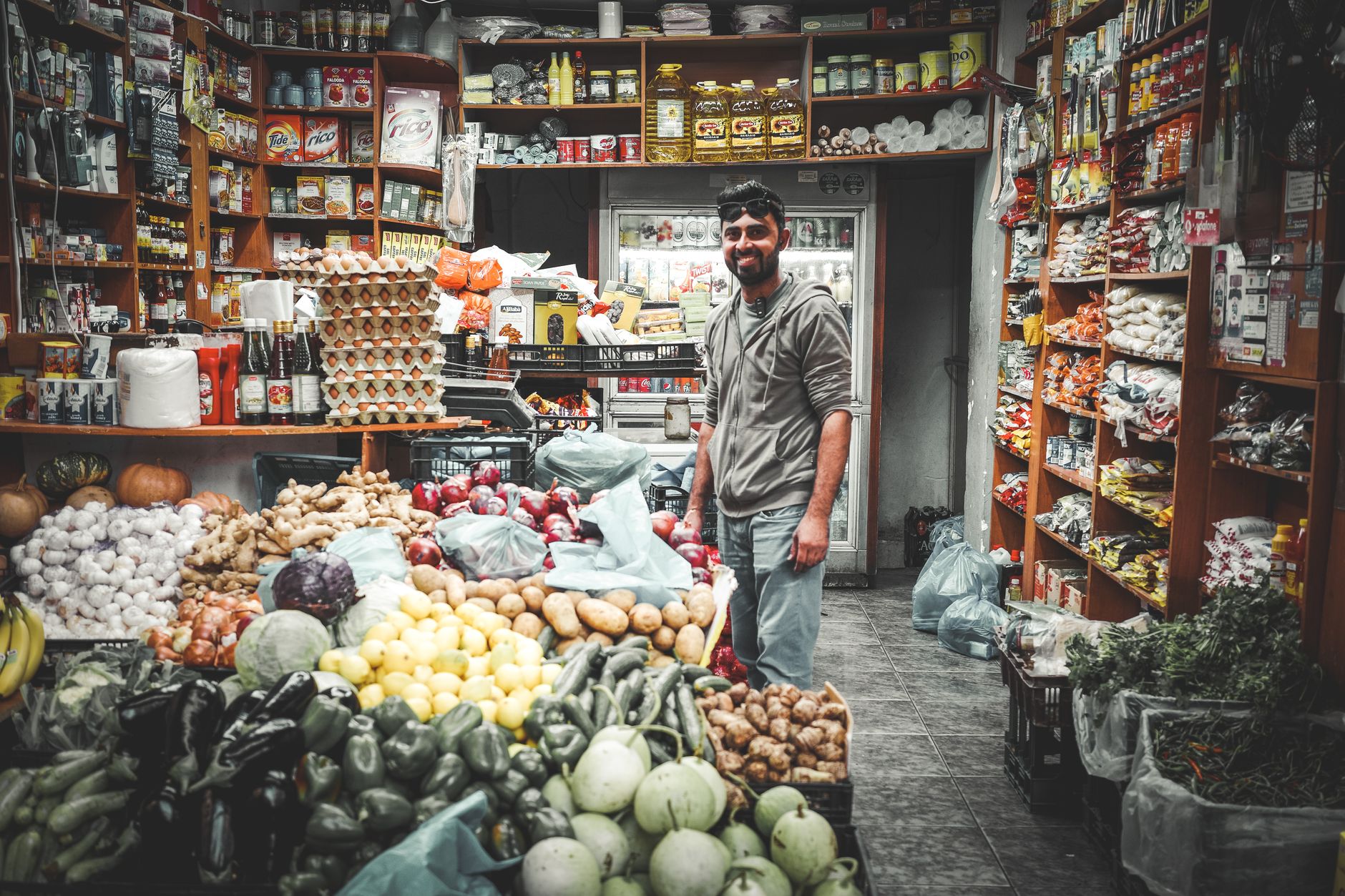
The Heritage of Athenian Cuisine
Ancient Influences Athenian cuisine is born from concrete geography: dry hills, nearby sea, olive groves, grain fields, vineyards, goats and sheep. In ancient Athens, the daily diet was modest: bread, legumes, figs, olives, cheese, honey, fish when available. It wasn't a cuisine of spectacular abundance, but of balance and preservation, where olive oil played a nutritional, economic, and ritual role. Many flavors today have distant roots without being museum copies. The habit of seasoning with herbs, vinegar, wine, garlic and salty sauces spans centuries in different forms. The relationship between food and the symposium—drinking together as a social and political moment—shouldn't be romanticized, but helps explain why the Athenian table remains a space for conversation. Spirits and Foods of Modern Times Modern Athenian cuisine was transformed by Byzantine, Ottoman, Mediterranean trade, and the arrival of Greek communities from Asia Minor. Syrup-soaked sweets, measured spices, stuffed pastries, yogurt, rice and thin pasta coexist with more ancient heritage. Ouzo, tsipouro, aromatic liqueurs and local wines accompany this layering: they're not just drinks, but signals of hospitality.
The Heart of the Athenian Table: Mezedes
Origin and Meaning Mezedes are not simple appetizers. They're a way of ordering conversation: placed in the center, tasted slowly, waiting for latecomers, letting the table set its own pace. The word suggests small, varied portions, often tied to drinking, but in Athens it can become an entire meal. Their strength lies in freedom. A table of mezedes might be seafaring, with salted fish, octopus, taramosalata and squid, or more earthy, with cheeses, meatballs, fried vegetables, fava beans and salads. There's no rigid sequence. The server brings dishes as they're ready, and the table composes itself through accumulation. Most Beloved Mezedes Among the most common are tzatziki, melitzanosalata, saganaki, dolmades, keftedes, fava, olives, marinated anchovies and seasonal vegetables. Quality often shows in details: good bread, clean oil, dry frying, well-balanced acidity. For a traveler, it's the best way to enter Athenian cuisine without reducing it to a single iconic dish.
The Souvlaki Ritual
Souvlaki is the most immediate image of Athenian eating: fast, inexpensive, urban, yet not trivial. Skewers and roasted meats have long belonged to Greek cuisine, while the modern form of street souvlaki solidified with the city's contemporary growth. It's food for students, workers, long nights, families who don't want to cook. The ritual begins with choice: skewer on a plate or wrapped in pita, pork or chicken, sometimes other options, with tomato, onion, sauce and fries according to local custom. Every Athenian has precise preferences and often defends them with irony. It's not just hunger; it's belonging to a neighborhood, a lunch break, memories of a place visited for years. Eating souvlaki standing or at an outdoor table says much about the city. Athens can be chaotic, but in that gesture it finds simple grammar: charcoal, warm bread, fresh toppings, paper napkins, quick conversation. Souvlaki demands no ceremony, and precisely for that reason remains one of the capital's most democratic rituals.
Hidden Traditions Behind the Tavernas
The Athenian taverna is more than just a traditional restaurant. It's a flexible social structure, capable of hosting family lunches, political discussions, reunions, impromptu birthdays and unscheduled dinners. In some areas it preserves the koutouki atmosphere, a small basement or neighborhood gathering place; elsewhere it's adapted to younger and international crowds. Behind an apparently simple menu lie precise codes. Grilled dishes coexist with casseroles, cooked vegetables, legumes, cheeses and salads. Often you order for the center, then each person takes what they want. The server might suggest the catch of the day, today's specials, or what's turned out best from the kitchen. Trust matters more than etiquette. In tavernas, music has played an important role, especially in places connected to rebetiko and urban folk song. Today not everywhere has live music, and many atmospheres have changed, but the idea remains that dinner can stretch without rush. The taverna teaches something essential: in Athens, a meal is relationship, not just consumption.
Celebrations and Food Rituals in Athenian Life
The Most Important Holidays Easter, by the Orthodox calendar, is one of the moments when food assumes the most obvious value. After the fasting period, many families prepare dishes tied to renewal and conviviality: red-dyed eggs, sweet bread, ritual soups, lamb or kid according to family traditions. Even in the city, the Easter meal preserves a strong domestic dimension. Other holidays mark the year with recognizable flavors. At Christmas appear honey cakes and sugar-dusted cookies; at New Year, vasilopita gathers the family around the slice that might hide a coin. Clean Monday, at the start of Lent, brings to the table lagana, taramosalata, olives, seafood and halva. Less Known Rituals There are also more discrete practices. In some families, fanouropita, a votive cake tied to recovering something or someone, is made. The boiled wheat of commemorative rites, decorated and shared, reminds of the bond between food, memory and community. These are gestures visitors can glimpse with respect, without turning them into attractions.
The New Wave of Gastronomy: Tradition Meets Innovation
Modern Chefs and Ancient Recipes In recent years Athens has seen the growth of a cuisine more aware of its own roots. Many cooks work with home recipes, regional products and traditional techniques without copying them nostalgically. Legumes, wild herbs, island cheeses, ancient grains, humble fish and oil-preserved vegetables enter contemporary menus with lighter, more urban presentation. This new cuisine doesn't erase the taverna; it often studies it. A dish of ladera—vegetables slowly cooked with olive oil and tomato—might become more refined. A regional pita might be reinterpreted with different doughs. Value lies in control: smaller portions, more attention to seasonality, sourcing and flavor clarity. Cultural Fusions Athens is also a city crossed by foreign cuisines and young people used to travel. Brunch, fermentations, cocktail bars with food, Levantine or Asian influences coexist with ouzeries and traditional bakeries. The most interesting part isn't fusion for its own sake, but intelligent encounter: Greek yogurt with new acids, local fish with different techniques, Mediterranean herbs in unexpected contexts.
Participatory Culinary Experiences
Traditional Cooking Classes To truly understand Athenian cuisine, cooking can be more useful than just sitting at a table. Classes focused on traditional dishes show steps invisible in menus: how pasta fillo is worked, how a savory pie's filling is balanced, how much oil really goes into a vegetable casserole, when to add lemon or herbs. These experiences work best when they don't promise absolute secrets. Greek cooking is made of family variations: one grandmother uses more dill, another more mint; some prefer rice in fillings, others cut it back. Participating means accepting this plurality. The result is not just a recipe, but a vocabulary of gestures. Guided Market Tours Athenian markets are schools of reality. At the central market and neighborhood laiki agorá (farmers' markets), you meet fish, meats, olives, fruit, vegetables, spices, cheeses and dried legumes. A knowledgeable guide helps you read seasons and habits: which herbs to boil, which olives to serve with ouzo, why certain cuts are meant for slow cooking.
Foreign Cultures' Influence on Athenian Cuisine
Athens has absorbed influences without losing its own accent. The long Ottoman presence left traces in stuffed pastries, honey sweets, slow cooking, spices and coffee. Greek communities returning from Asia Minor enriched urban tables with more aromatic flavors, preservation techniques, elaborate mezedes and a musical and convivial culture that also shaped tavernas. The Eastern Mediterranean brought obvious connections: eggplants, yogurt, sesame, legumes, rice, lamb, herbs and citrus have traveled for centuries between coasts and islands. Speaking of exclusive ownership of dishes would be limiting. More useful is observing how Athens adapts them: fewer spices in some cases, more lemon, more olive oil, a preference for informal sharing. Recent migrations have also reshaped the gastronomic landscape. In the capital's neighborhoods are bakeries, kitchens and shops tied to the Balkans, Middle East, Asia and Africa. These presences don't replace Athenian cuisine; they put it in dialogue with new rhythms, ingredients and consumption habits.
Food-Related Customs and Uses
In Athens, mealtime is elastic. Breakfast might be quick, a coffee and a bakery pita; lunch varies by work; dinner often stretches into evening hours. In warm months, eating late isn't tourist affectation but adaptation to climate and social life. Sharing is the most important code. Ordering many dishes for the center avoids a sharp division between mine and yours and allows tasting more. Bread accompanies almost everything; Greek salad isn't a decorative side but a shared dish; lemon arrives with meats, fish, vegetables and soups. The gesture of offering remains central. How you sit at table also says something. There's no rush to leave your spot, especially in more traditional places. You talk, you smoke where allowed, you watch children, you discuss the check, you order something else even when it seemed finished. For the visitor, adapting to this pace is part of the experience.
Gastronomic Events Not to Miss
Athens' gastronomic events aren't always large tourist-oriented festivals. They often coincide with the religious calendar, seasons and neighborhood habits. Carnival and Clean Monday, for instance, transform bakeries, markets and family tables: lagana, preserves, seafood, taramosalata and Lenten sweets become protagonists. Throughout the year appear wine fairs, olive oil fairs, regional products and contemporary cuisine events. They're useful occasions to understand how much the capital depends on the rest of Greece: island cheeses, Peloponnese wines, mountain honey, northern legumes, herbs from the Cyclades. Athens concentrates and reworks a heritage not born entirely within its borders. Don't overlook neighborhood festivals and panigyria, where present, where food, music and popular devotion intertwine. They're not always easy to find without local information, but offer a less packaged view of the city. The key is participating with discretion: buy, taste, observe, without invading rituals that remain communal.
The Role of Coffee and Wine in Social Interaction
Coffee in Athens serves more than waking up. It's a form of appointment, a long pause, a way to occupy public space. Greek coffee, prepared slowly and served with grounds, coexists with frappé, cold espresso and cold cappuccino—cold beverages that tell much about climate and urban sociability. In more traditional kafeneia, coffee was long tied to male conversation, cards, local politics and neighborhood gossip. Today the scene is more varied: contemporary coffeehouses, tables full of students, professionals with laptops, friends staying for hours with one drink. Slowness isn't idleness, but a way of inhabiting the city. Wine is experiencing renewed attention. Alongside retsina, often more carefully made than past stereotypes suggested, are whites, reds and rosés from many Greek regions. In wine bars and attentive tavernas, wine accompanies mezedes, fish, meats and cheeses, becoming a bridge between agricultural tradition and contemporary taste.
Preparation Rituals: Ancient Art and New Creativity
Many Athenian culinary rituals begin before service. Greek cooking requires time in unremarkable operations: desalting, marinating, boiling herbs, stretching doughs, cooking legumes, preparing broths, resting fillings. These are gestures that transform simple ingredients into recognizable dishes. Technique isn't always spectacular, but it's precise. Charcoal remains a fundamental language, but not the only one. There are slow pot cooking, vegetables in the oven, grilled fish, syrup-soaked sweets, pani and pies. Olive oil isn't just a finishing touch: it often enters the dish's structure. Lemon, oregano, dill, mint and parsley give identity without covering everything. Contemporary creativity works precisely on these rituals. Some chefs lighten sauces, use fermentations, recover forgotten varieties, reduce waste, value less-demanded cuts and overlooked vegetables. The most convincing result doesn't betray Athenian cuisine: it makes it readable today. Discover the authentic flavors of Athens and participate in its culinary rituals: live the complete experience!
FAQ
What are the typical dishes of Athens?
Among the most celebrated are mezedes, souvlaki and moussaka, representative of local cuisine.
What is the history of Athenian cuisine?
Athenian cuisine is deeply influenced by its millennia of history, combining elements from various civilizations that succeeded one another.
Where can you experience gastronomic traditions in Athens?
Local tavernas offer an authentic immersion in Athenian flavors and rituals.
What are the customs related to food in Athens?
A typical characteristic is the convivial sharing of dishes, revealing a strong sense of community.
What must you eat in Athens?
Beyond classics like souvlaki, try gyros and an assortment of sweets like baklava.
Are there particular food-related rituals in Greece?
Yes, holidays draw symbolism from food, as in the case of the iconic Easter sweet, tsoureki.

The guide to this city: Atene
Digital guide to Atene: what to see, where to eat, live maps and tips. Read it like an app, even offline.
Explore · € 4,99 →